Cleaning between your teeth
UK guidance is to clean between your teeth every day, with floss or interdental brushes. A water flosser is a useful extra and does not replace brushing, but sources differ on whether it can replace floss.
On this page
A toothbrush has trouble reaching the narrow spaces between teeth, and plaque, the film of bacteria that coats teeth, can stay there. Floss, interdental brushes and water flossers all aim to clear it. Choosing between them is a common question, and the research behind the answer is limited.
Why clean between your teeth?
A 2019 Cochrane review notes that toothbrushes find it difficult to reach between teeth, which is why cleaning there is often recommended as an extra step. The NHS says regular flossing may also reduce gum disease, tooth decay and bad breath by removing plaque along the gum line.
The government toolkit for dental teams (from the Department of Health and Social Care and NHS England) recommends cleaning between the teeth every day, to below the gum line. It says daily cleaning should have started by age 18, or earlier if the gums are inflamed.
Sources word the point about decay differently. The NHS and the Oral Health Foundation both link cleaning between your teeth to less decay. The toolkit says the trials measured plaque and gum inflammation, not decay, so there is no evidence either way on whether it lowers decay compared with brushing alone. The Cochrane review found no trial that assessed decay between teeth.
Floss, interdental brushes or a water flosser?
| Option | Often suits | What the trials show |
|---|---|---|
| Floss or dental tape | Tight spaces where brushes may not fit | May reduce gum inflammation |
| Interdental brush | Teeth with gaps between them | May reduce gum inflammation and plaque |
| Water flosser | People who find floss hard to use | May give small gum benefits, mostly short term |
The 2019 Cochrane review included 35 trials with 3,929 adults. It rated the evidence low to very low certainty and said the effects seen may not be clinically important. The trials measured results over weeks to months, and many of the people in them had little gum inflammation to begin with.
Within those limits, floss added to brushing may reduce gum inflammation (gingivitis) in the short and medium term, though it is unclear whether it reduces plaque. Interdental brushes may reduce gingivitis and plaque in the short term, but only two trials compared them with brushing alone. In direct comparisons, brushes may reduce gingivitis more than floss at one and three months, while the plaque results were inconsistent. Trials that checked for side effects found no serious ones, and no difference between groups in minor effects such as gum irritation.
The toolkit agrees that brushes may be more effective than floss, on low to very low certainty evidence. For people with, or treated for, gum disease (periodontitis), it says interdental brushes should be used, as more effective than floss or tape, because tissue loss usually leaves larger gaps. Where teeth sit closer together, it says floss or tape can be used.
The NHS does not rank them. Interdental brushes or single-tufted brushes can be used instead of flossing, it says, especially if there are gaps between your teeth. Many people use a mix of both, says the Oral Health Foundation, which suggests choosing the method you are most likely to use every day.
How do you use floss?
The NHS and the Oral Health Foundation describe much the same technique.
- Start with 30 to 45cm of floss or dental tape (the Oral Health Foundation suggests about 45cm). Wind most of it round one finger and the rest round the same finger on your other hand. Leave 3 to 4cm taut between your hands, the NHS says.
- Guide it between two teeth with a slow rocking motion. Do not snap it into the gum.
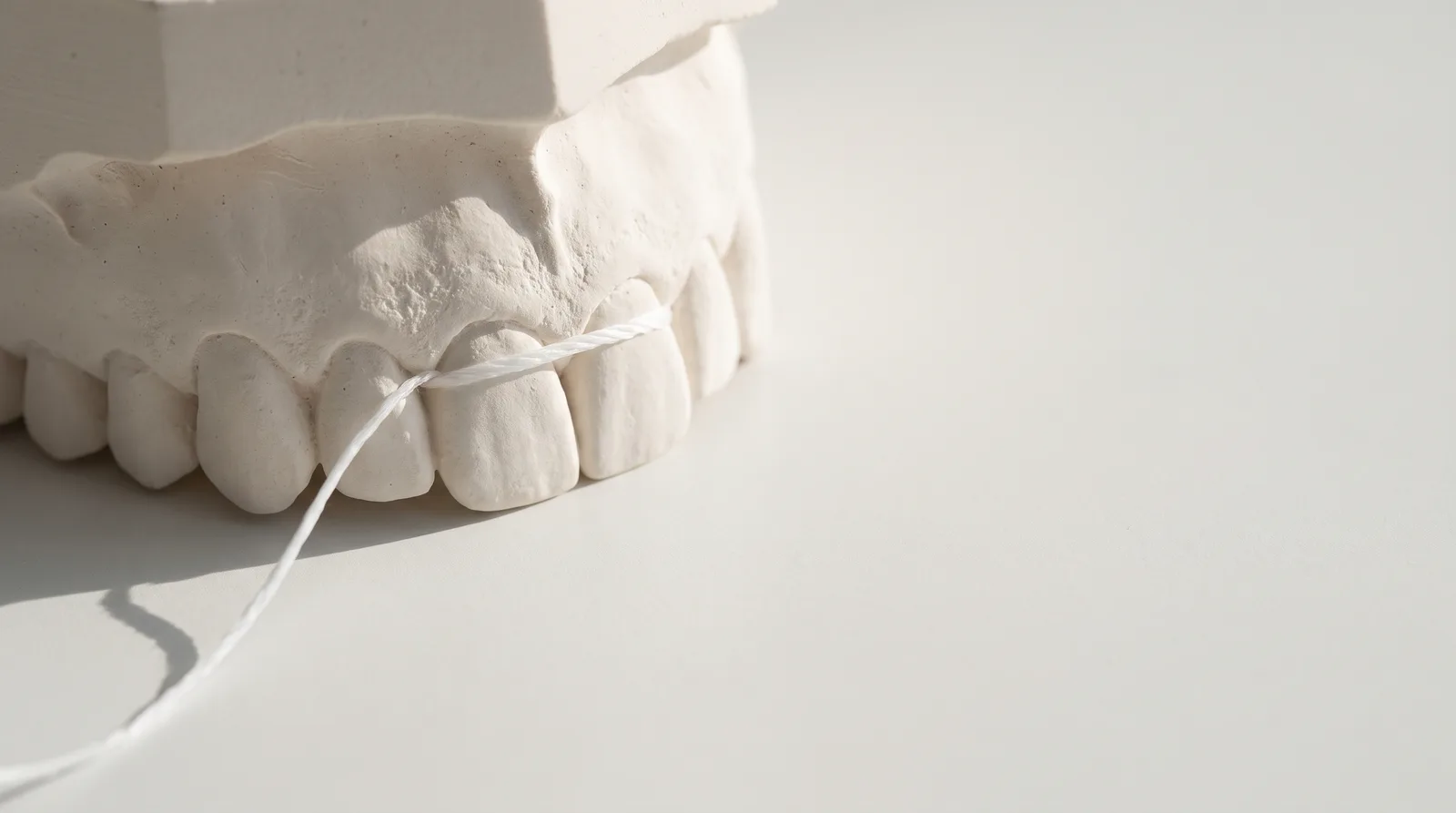
- At the gum line, curve it into a C-shape against one tooth and slide it up and down. Then repeat on the other side of the gap, including the back of your last tooth.
How do you use interdental brushes?
The brush should fit snugly in the gap, according to the NHS and the toolkit. The Oral Health Foundation suggests asking your dentist or hygienist to show you the right size for each gap.
- Guide the brush gently between the teeth and do not force it through.
- If it bends or splays, try a smaller size.
- Rinse it while you use it, and replace it when it wears out.
The NHS does not advise wooden toothpicks for removing trapped food, because they may damage your gums, which could lead to an infection.
Where do water flossers fit?
A water flosser (also called a water pick or electric flosser) sprays a thin stream of water between the teeth and along the gum line. Some people find it easier than string floss, especially with braces, bridges, implants or limited hand movement, according to the Oral Health Foundation. Tips come in different types, for needs such as braces or sensitive gums. The charity calls it a useful extra that does not replace brushing. It also says to keep cleaning between your teeth every day with interdental brushes or floss, because they can scrape plaque off a tooth in a way water alone cannot always do. If you use one, it says to follow the manufacturer’s instructions.
On whether it can stand in for floss, sources differ. The Oral Health Foundation says it belongs within the full daily routine, not instead of brushing or other cleaning between teeth. In the 2019 Cochrane review, a water flosser plus brushing may have reduced gingivitis in the short term but not the medium term, with no difference in plaque. Against floss, it may have reduced gingivitis at one month, with no difference in plaque, on low to very low certainty evidence. The toolkit calls the evidence for oral irrigators limited and inconsistent.
A 2025 systematic review of 18 randomised trials, by researchers in Saudi Arabia, found a slightly higher benefit at some time points. The benefit was more noticeable against brushing alone than against floss, and for people with braces than for others. Certainty was moderate for gum bleeding and low to very low for plaque and gum inflammation. For people without braces, it found no plaque advantage over floss. The authors say the differences may be too small to matter clinically, and suggest a water flosser for people who find flossing difficult, not as a substitute for brushing.
Making it a habit
The toolkit and the Oral Health Foundation both say to clean between your teeth every day. On order, the NHS advises flossing before brushing. Doing it first may help link the two habits and make them regular, the toolkit says. Many people find it helpful because toothpaste can then reach between the teeth more effectively, according to the Oral Health Foundation.
Bleeding is a common worry at the start. The Oral Health Foundation says mild bleeding is common at first and usually improves with regular cleaning, and to speak to your dental team if it continues. The NHS lists gums that bleed when you brush, floss or eat hard foods among the symptoms of gum disease. Our guide to bleeding gums covers the other reasons gums bleed. The NHS says to see a dentist and hygienist for regular check-ups, especially if you are pregnant or have type 2 diabetes.
If you have braces, the NHS says to use an interdental brush every day to clean between your teeth and underneath the braces. Our guide to looking after dental implants covers cleaning around them.
When to see a dentist
- gum disease, together with very sore and swollen gums, teeth that are loosening or falling out, ulcers or red patches in your mouth, or a lump in your mouth or on your lip: the NHS says to ask for an urgent dentist appointment, for you or your child
In an emergency or out of hours, the NHS says to start by calling your dentist, as the answerphone may tell you what to do. If you have no dentist, or cannot get an emergency appointment, it says to call 111.
- your gums bleed when you brush or eat hard foods, or are painful and swollen
- you have bad breath
- your child has sore, bleeding gums
- bleeding carries on after you start cleaning between your teeth
- you have braces and your gums are very red, swollen or painful (the NHS says to contact your orthodontist)
- you have not had a check-up for 2 years, or 1 year if you are under 18
What we would do
A dental hygiene appointment starts with your hygienist checking your gum health and looking for plaque build-up or early signs of gum disease. They then clean and scale your teeth and finish with a polish, and the appointment includes advice on your own brushing and flossing routine. A new patient exam looks at your teeth, gums and soft tissues, with small X-rays where needed.
The NHS says your dentist or hygienist can advise you on how to clean between your teeth. If you are unsure what suits you, say so when you book an appointment.
Want us to take a look?
Book an appointment at whichever of our five practices suits you. We will check what is going on and talk you through your options.
Questions this guide answers
Can I use a water flosser instead of floss?
Sources differ. The Oral Health Foundation says a water flosser is a useful extra but not a stand-in for brushing or other cleaning between your teeth. A 2025 review found it similar to floss for plaque in people without braces, on low-certainty evidence, and suggests it for people who find flossing difficult.
Is an interdental brush better than floss?
It may be. The 2019 Cochrane review found interdental brushes may reduce gum inflammation more than floss at one and three months, on low-certainty evidence, and the plaque results were inconsistent. The NHS lists both as options, so ask your dental team what suits your gaps.
Should I clean between my teeth before or after brushing?
The NHS advises flossing before brushing. The Oral Health Foundation says many people find it helpful to clean between their teeth first, so that toothpaste can reach between them. The government toolkit adds that doing it first may help link the two habits.
Is it normal for my gums to bleed when I start?
The Oral Health Foundation says mild bleeding is common at first and usually improves with regular cleaning, and to speak to your dental team if it continues. The NHS lists bleeding when you floss among the symptoms of gum disease, so a dentist can check.
Sources (8)
- How to keep your teeth clean
- Delivering better oral health: an evidence-based toolkit for prevention, chapter 8: oral hygiene
- Home use of interdental cleaning devices, in addition to toothbrushing, for preventing and controlling periodontal diseases and dental caries
- Cleaning between your teeth
- Water flossers
- Alleviation of plaque and gingivitis with dental water jet in regular and orthodontic patients: a systematic review and meta-analysis
- Gum disease
- Braces