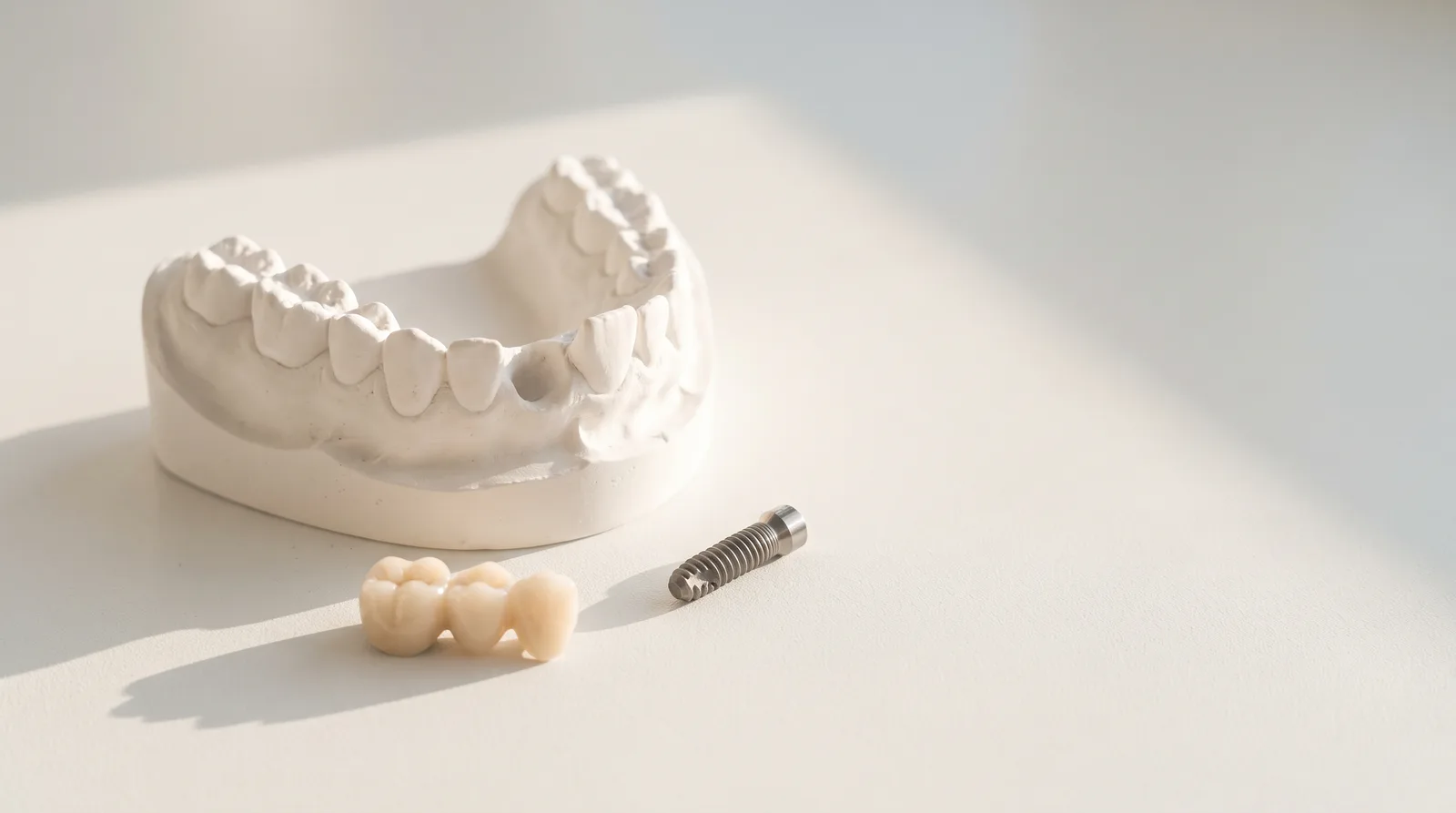
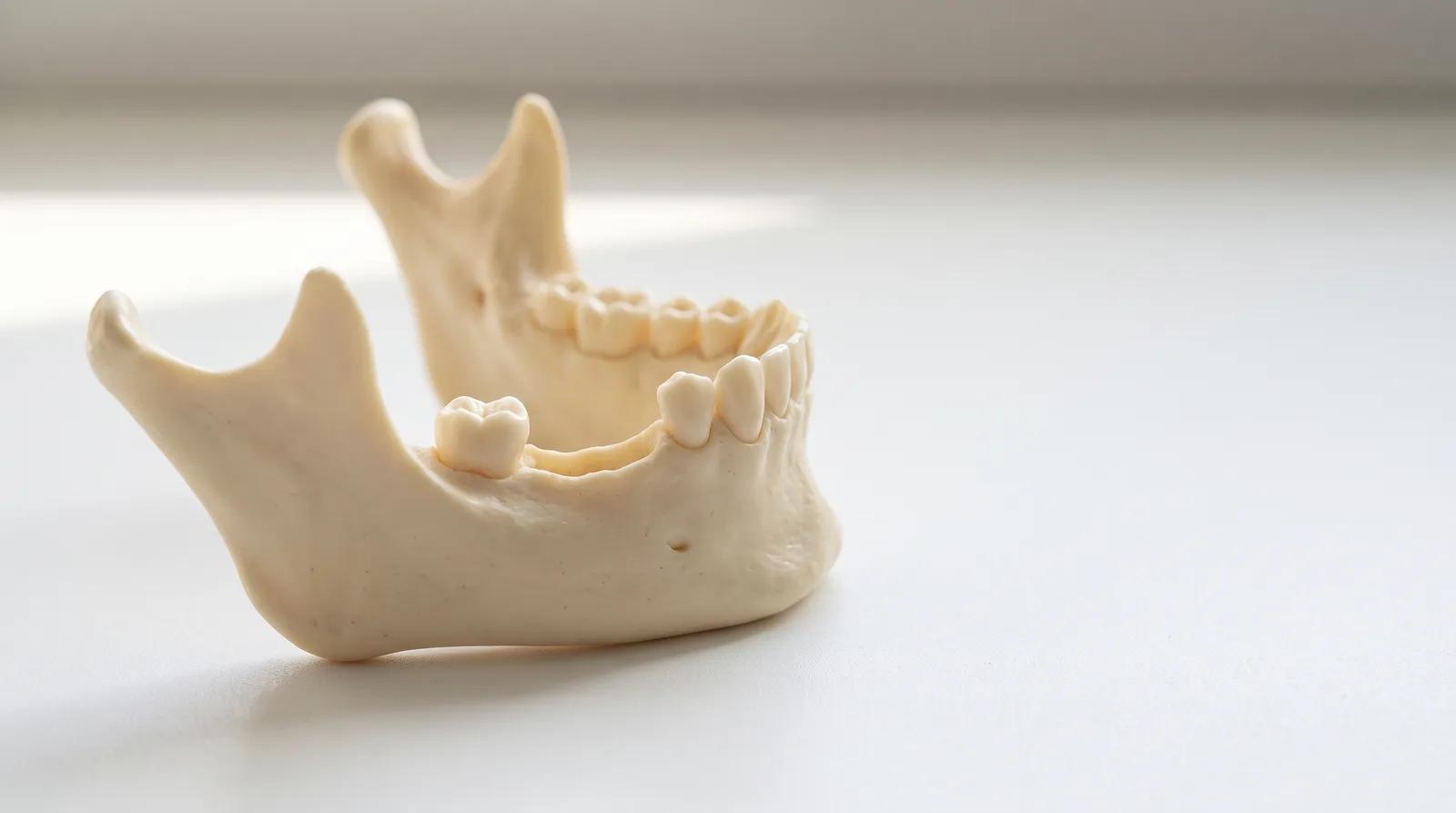
Looking after your dental implants
Clean around an implant every day, as your dental team shows you, and keep the review visits they set. Plaque left there can inflame the gum and lead to bone loss, but gum disease around implants can be treated.
On this page
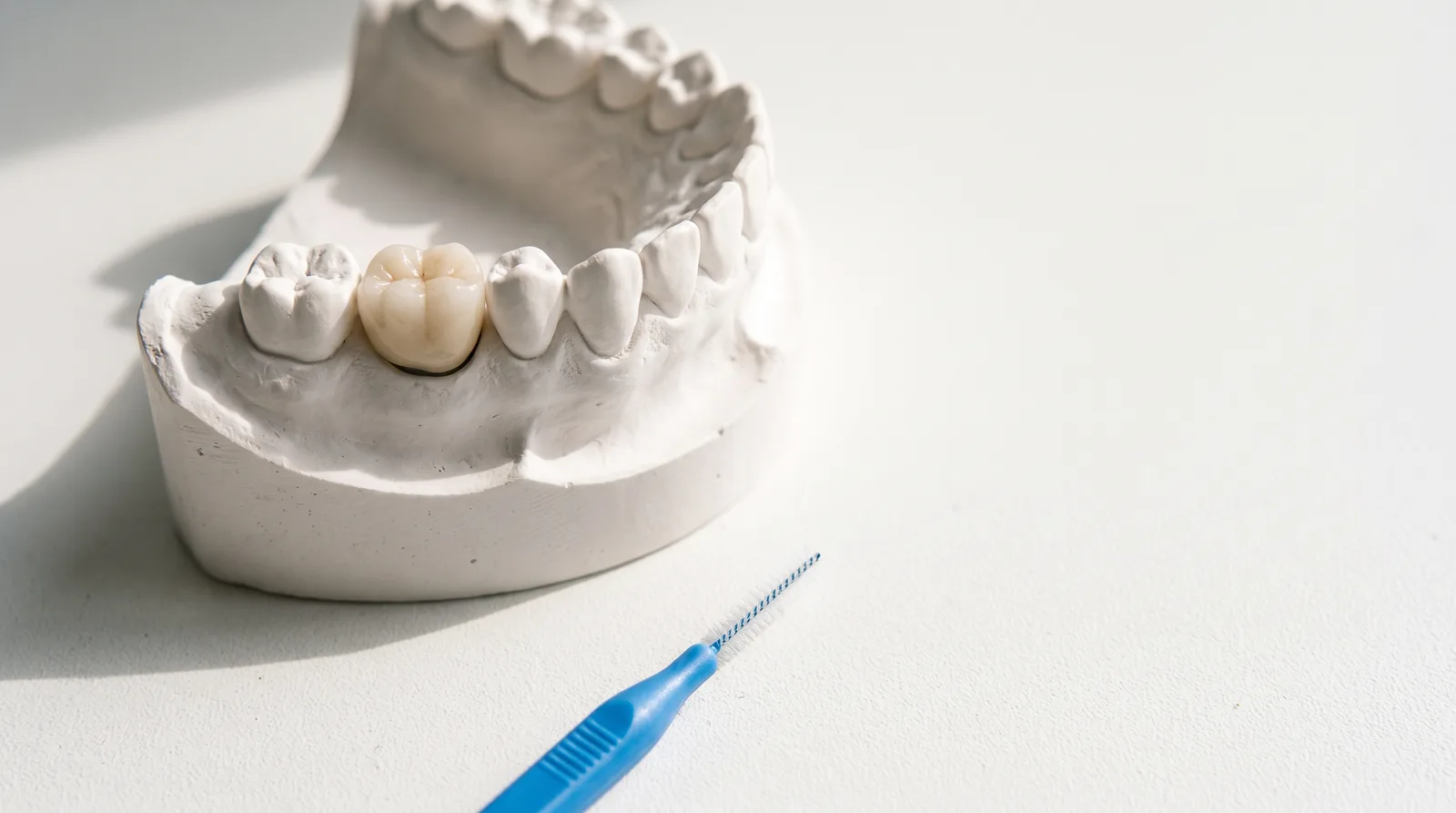
Once the new tooth is fitted, it is easy to assume the hard part is over. With an implant, the care that follows matters as much as the treatment. Like natural teeth, implants can be affected by gum disease. The British Society of Periodontology and Implant Dentistry (BSP) calls self-care the most important part of keeping implants healthy.
What can go wrong around an implant?
Plaque is the sticky film of bacteria that coats teeth. It builds up on implants, and on the crowns, bridges or dentures attached to them, in the same way. The BSP names two forms of gum disease around an implant:
- Peri-implant mucositis: the gum around the implant is inflamed, but the bone is not affected.
- Peri-implantitis: the bone around the implant is being lost as well.
The guideline from the European Federation of Periodontology (EFP) says plaque is the main cause of both. It says mucositis can be treated and reversed by careful control of plaque. If it is left alone, it can progress to peri-implantitis. The guideline says that if no treatment is provided, peri-implantitis is likely to get worse faster than gum disease around natural teeth. It says this will most likely lead to the loss of the implant. It describes both conditions as highly prevalent.
Peri-implantitis can be treated. The guideline recommends treatment aimed at keeping the implant, starting with a non-surgical clean and moving on to surgery if needed. It calls peri-implantitis an irreversible condition, so the aim is to treat it as early as possible and stop it getting worse. The BSP says treatment can be challenging, which is another reason to prevent it and to report problems early.
Most of the advice below is about preventing both. For figures on how common each one is, see our guide to what to know before having dental implants.
Cleaning around your implant at home
Start with the NHS routine: fluoride toothpaste twice a day for about 2 minutes, last thing at night and once more during the day, cleaning every surface of every tooth. Around an implant, the BSP’s guide for dentists says the routine should be tailored to you and to the design of your replacement tooth. It adds that cleaning at home works, but the evidence on specific methods is unclear. Because an implant can make cleaning harder, the BSP says a clinician will give you customised instruction.
Cleaning between your teeth and implants needs the same thought. A British Dental Journal review calls daily cleaning of these gaps essential for long-term implant health. The BSP’s guide for dentists says what suits you depends on the design of the new tooth: interdental brushes, superfloss (a spongy floss with a stiffened end), single-tufted brushes, or a mix. An interdental brush should fit snugly between teeth, says the NHS, which advises against wooden toothpicks because they can damage the gums.
Your own replacement shapes the routine:
| What you have | What to know |
|---|---|
| A fixed crown or bridge | You cannot take it out. Its shape decides what fits underneath, and occasionally the dentist removes it for a professional clean. |
| A denture held by implants | Take it out to clean it. The implants still need cleaning, plaque can collect under the denture, and care depends on the denture material. |
A few other questions come up often:
- Electric or manual brush? The NHS says both are equally good if you clean every surface, though some people find an electric one easier. The BSP’s guide for dentists says there is no difference in keeping implant tissue healthy, and the British Dental Journal review calls the question inconclusive.
- Water flosser? The British Dental Journal review says these can help where access is limited, such as around an implant-supported denture, though some people find them uncomfortable. Ask your dentist whether one suits you.
- Mouthwash? The BSP’s guide for dentists says mouthwash gives limited extra benefit over cleaning with brushes. For people who already have peri-implant mucositis, the EFP guideline says a short course of antiseptic mouthwash, used alongside professional cleaning, may be considered. Follow your dentist’s advice, and ask your pharmacist if you are unsure about a product.
Check-ups and hygiene visits
The EFP guideline recommends regular supportive peri-implant care for people with healthy tissue around their implants. This is a follow-up programme tailored to the individual. It includes professional cleaning, coaching in home care and early detection of problems. In the studies behind that advice, people who attended regularly were less likely to have peri-implant disease. The guideline rates the certainty of that evidence as moderate, and the studies were mostly observational, so it shows a link rather than proof.
There is no single schedule. The studies the EFP reviewed used intervals from every 3 months up to 12 months. One NHS hospital leaflet tells its patients to see a dentist or hygienist every 3 to 6 months over the long term. Your dentist works out your interval from your own risk.
The BSP’s guide for dentists says a review looks for inflammation and bleeding, measures the depth around the implant with a probe, and checks how well you are cleaning. It also lists an X-ray when the new tooth is fitted and another after the first year in function. Further X-rays are taken as your dentist sees fit. A dental hygienist may see you regularly. The BSP says a fixed crown or bridge occasionally needs to be taken off so it can be cleaned properly.
Who is more likely to have trouble?
The EFP guideline lists these among the important risk factors for peri-implantitis:
- a history of severe gum disease
- plaque that is not kept under control day to day
- not attending regular supportive care
Smoking and diabetes are also linked to implant problems, but sources differ on how firm the evidence is. The BSP’s guide for dentists lists active smoking and uncontrolled diabetes among factors strongly associated with peri-implantitis. The EFP guideline found the evidence for both less conclusive, and the British Dental Journal review says it is still inconclusive whether diabetes raises the risk.
The guidance still covers both. The EFP recommends stop-smoking support for people with implants, and says it should be advised for every patient who smokes, whether or not they have an implant. The British Dental Journal review says people with diabetes should be told about the possible risk and about keeping blood sugar controlled. Our guides to smoking and your mouth and diabetes and your mouth cover both topics. If you have had gum disease, see gum disease: risks and treatment.
Wear, chips and loose parts
No tooth replacement can be assured to be permanent, the BSP says, because the mouth is a harsh environment. With care and maintenance, it says, implants can offer a long-term solution. The part you see can wear. A Cambridge University Hospitals leaflet says crowns, bridges and dentures may need refurbishing over time, and that the clips or screws holding a denture to implants can wear or break. It adds that people who grind their teeth are at risk of overloading their implants, which can reduce success rates. Our guide to teeth grinding explains more.
The first weeks after surgery
Follow the written aftercare instructions your own team gives you, because they vary between teams and cases. As one example, the Cambridge leaflet describes discomfort and swelling in the first few days, and some discomfort for a week or so. It describes a review about a week after surgery to check healing and remove any stitches. It says following the post-operative instructions helps avoid infection.
When to see a dentist
The BSP says to contact your dentist if you notice a complication with your implant or the tooth on it. The EFP guideline says review visits also exist to pick up inflammation early.
- bleeding, pain or a bad taste around an implant
- a red or swollen gum around an implant
- pus or discharge around an implant
- a gum that has shrunk back from an implant
- an implant, crown or denture that feels loose
- a chipped, cracked or worn crown or bridge on an implant
If the area around an implant swells, our guide to tooth infection and abscess sets out the NHS steps and the signs that mean emergency care.
What we would do
A new patient exam checks your teeth, gums and soft tissues, with small X-rays where needed, and we explain any options in plain language. A dental hygiene appointment includes an assessment of your gum health, a clean that removes plaque and tartar, a polish, and advice on your brushing and flossing. Our X-rays and scans page explains the images we can take.
If you have an implant, mention it when you book an appointment and ask how your cleaning routine and review visits should work. If you would like to know more about the treatment itself, our dental implants page explains how it works. If you are still choosing, our guide to replacing a missing tooth compares the options.
Want us to take a look?
Book an appointment at whichever of our five practices suits you. We will check what is going on and talk you through your options.
Questions this guide answers
Do I still need check-ups once my implant is fitted?
Yes. The European Federation of Periodontology guideline recommends regular supportive care for people with healthy tissue around their implants, to lower the risk of gum and bone problems. How often you go is set for you individually, so ask your dentist.
Do I clean an implant the same way as my other teeth?
Not quite. The British Society of Periodontology and Implant Dentistry says a clinician will give you customised instruction, tailored to your individual needs, because an implant can make cleaning harder. The NHS advice to brush twice a day still applies, and a British Dental Journal review says cleaning between your teeth and implants every day is essential.
What is peri-implantitis?
It is gum disease around an implant that has started to cause bone loss. When the gum is inflamed but the bone is not affected, it is called peri-implant mucositis. The EFP guideline says plaque is the main cause of both, and that mucositis can be treated and reversed with careful cleaning. Peri-implantitis can also be treated, but the guideline calls it irreversible, so early care matters.
How long will my implant last?
Nobody can promise a number. The British Society of Periodontology and Implant Dentistry says no tooth replacement can be assured to be permanent, though with care and regular maintenance implants can offer a long-term solution.
Sources (6)
- Patient FAQs: Dental implants
- Implant information for general dental practitioners
- Prevention and treatment of peri-implant diseases: the EFP S3 level clinical practice guideline
- Maintenance of peri-implant health in general dental practice
- Dental implants in restorative dentistry
- How to keep your teeth clean