
What is restorative dentistry?
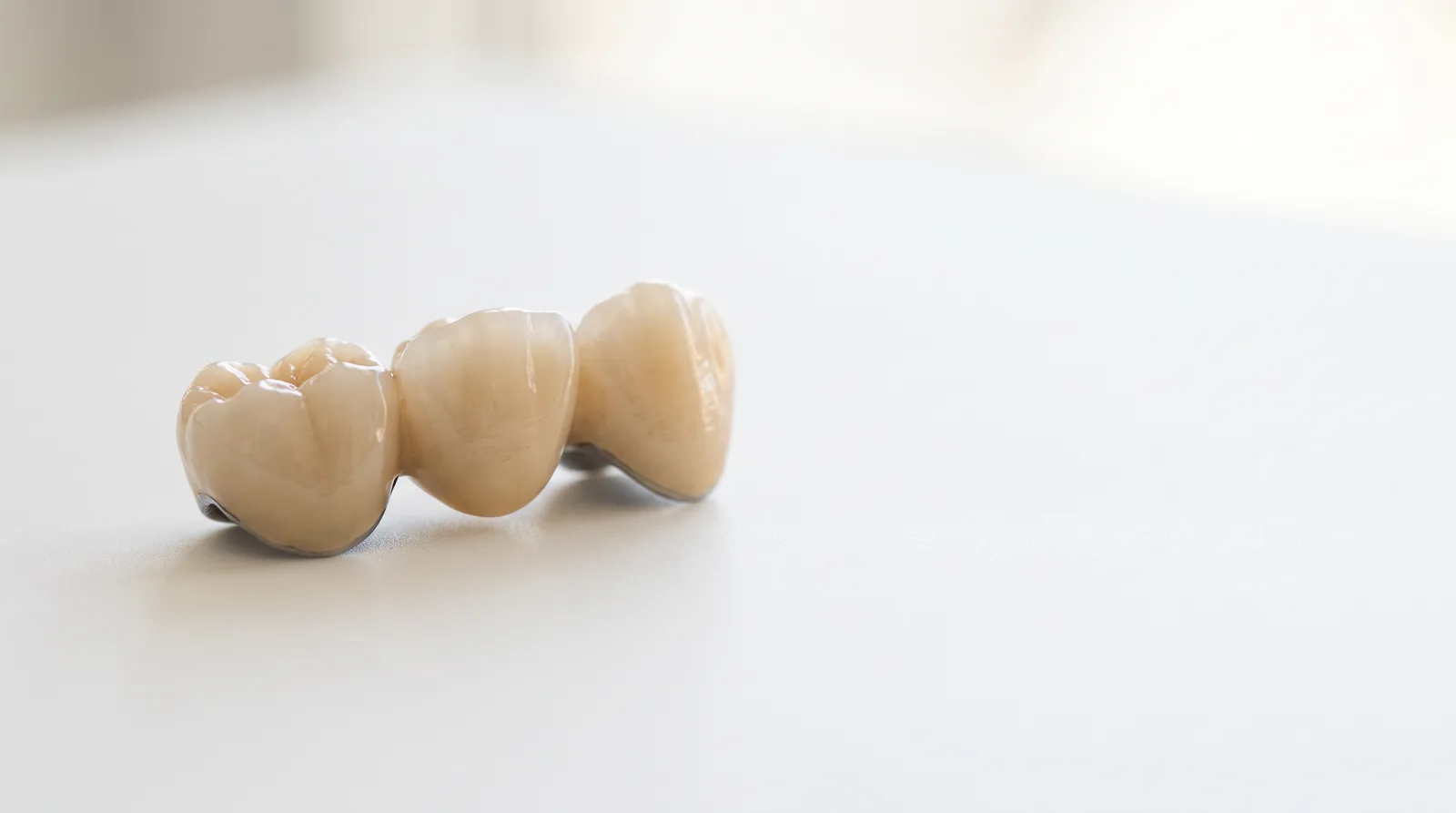
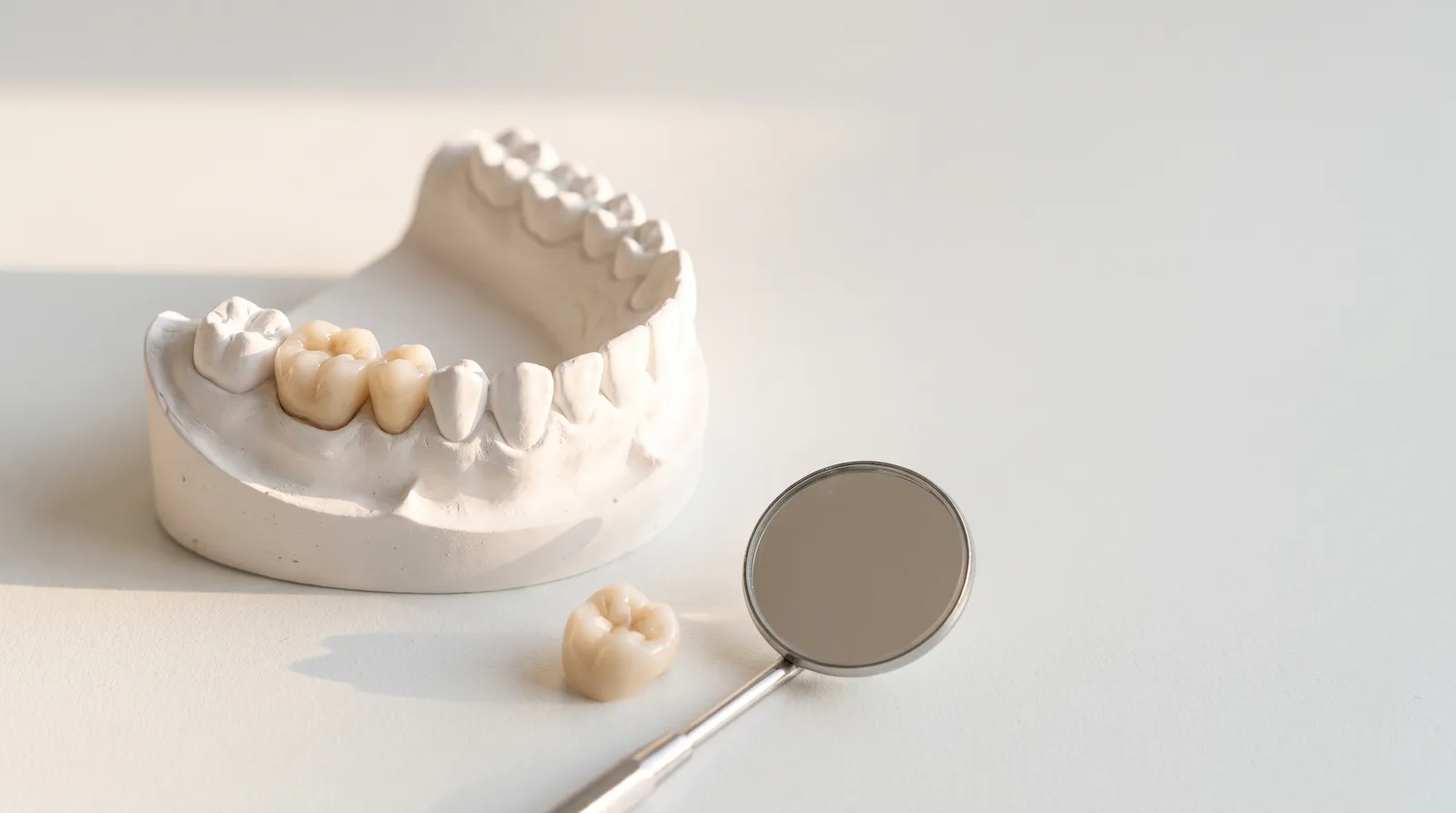
Restorative dentistry means repairing damaged teeth and replacing missing ones. It includes fillings, crowns, root canals, gum disease care, bridges, dentures and implants. Your dentist can explain which suit you.
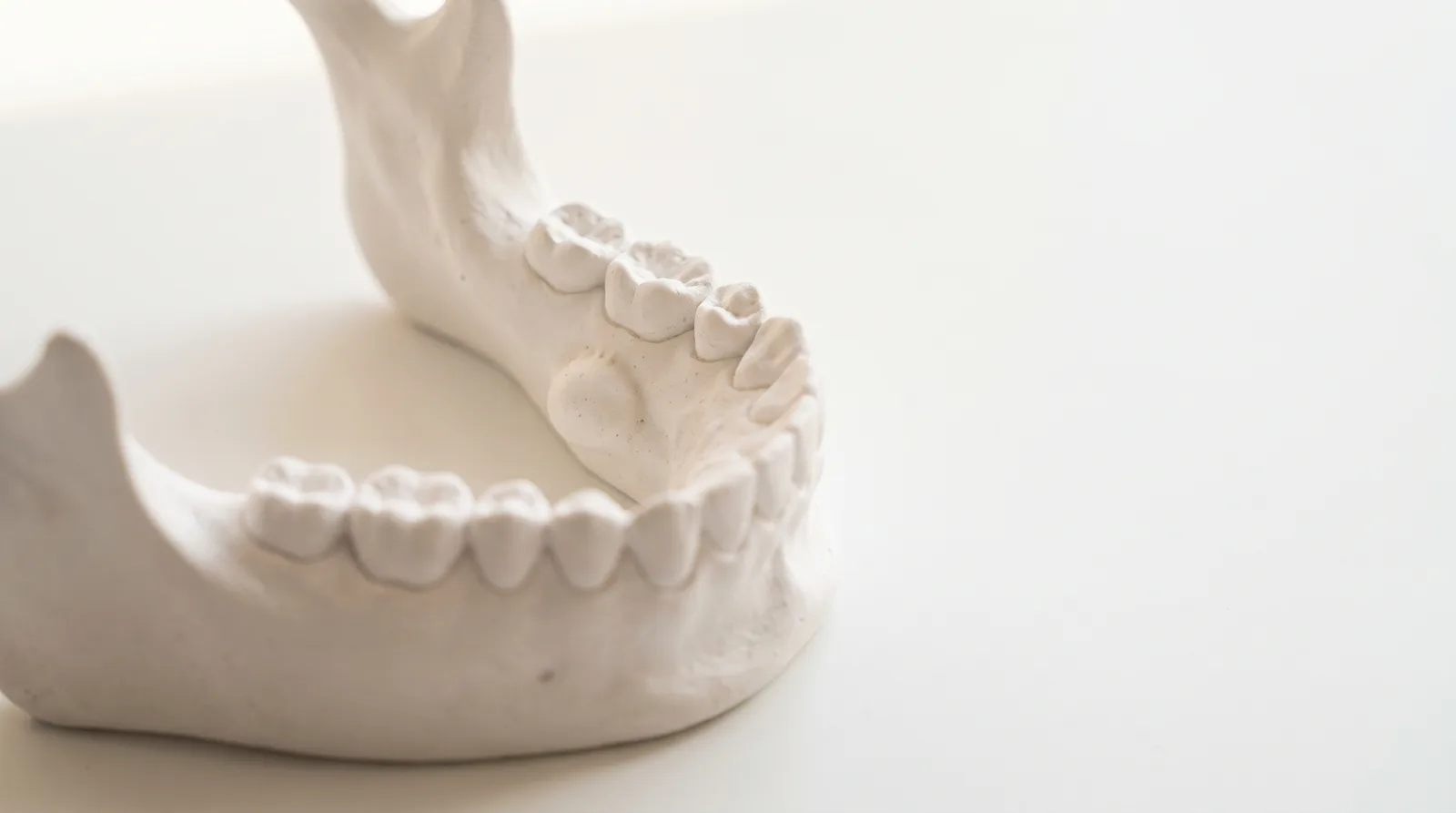
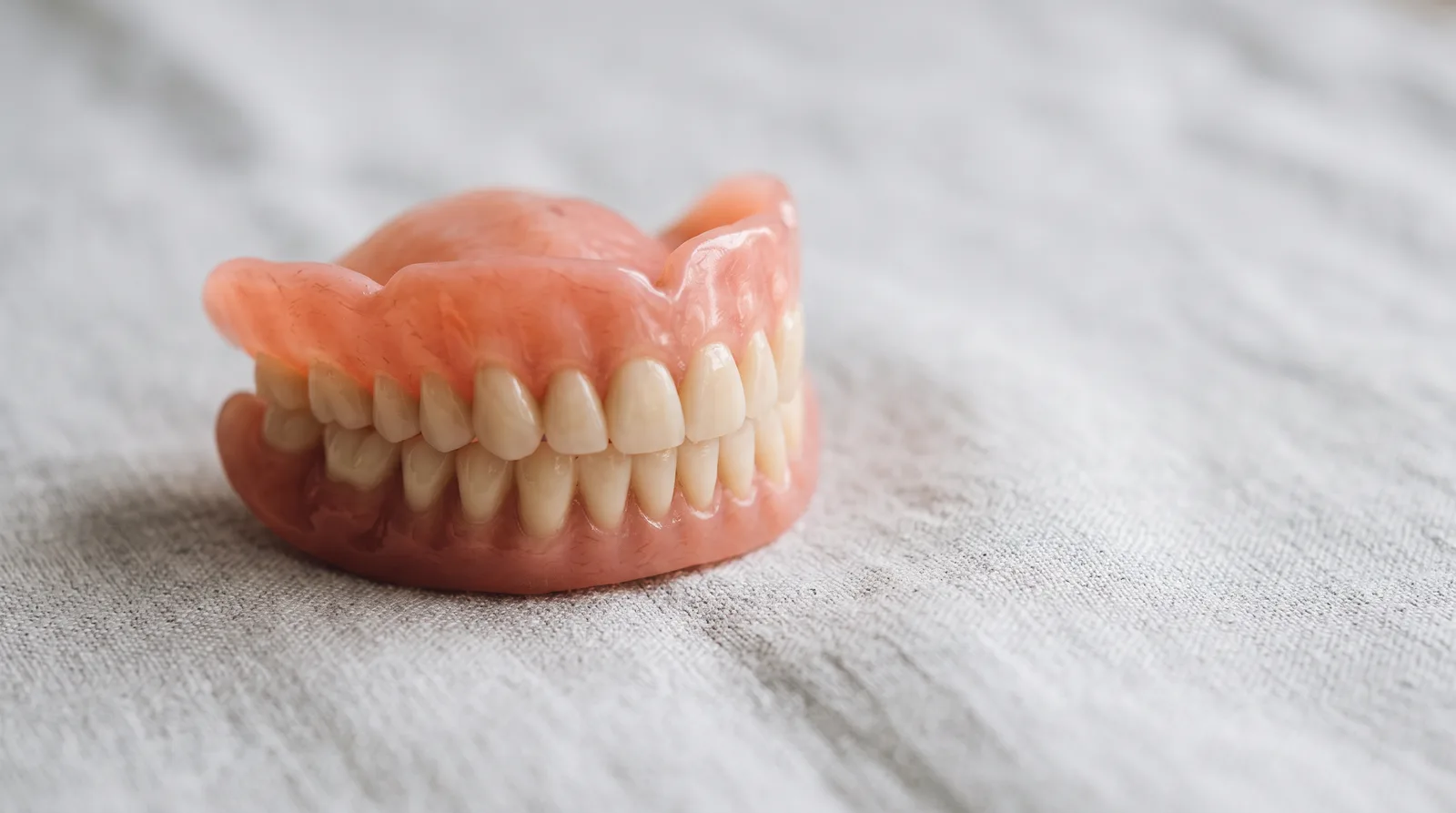
Dentures are removable prosthetic teeth that replace some or all of your natural teeth, custom-made from acrylic resin. Complete dentures suit a full mouth of missing teeth; partial dentures work alongside teeth you still have, and both are fitted and adjusted at your practice until they feel right.
Dentures are removable prosthetic teeth, made from acrylic resin, that replace missing teeth and the surrounding tissue. Complete dentures suit patients missing a full arch of teeth; partial dentures suit patients who still have some natural teeth remaining.
We assess your mouth and take impressions to design dentures that fit your gums and bite.
Your custom dentures are fitted and adjusted so they sit comfortably and securely.
Getting used to dentures can take several weeks, sometimes months. Some soreness, irritation, or difficulty speaking or eating during that time is normal. We review the fit and make any adjustments needed.
| Treatment | From | Member price | Notes |
|---|---|---|---|
| Full or partial denture (single arch) | £1,195 | £956 | Member price is lower. See Membership & Pricing. |
| Full or partial denture (both arches) | £2,195 | £1,756 | Member price is lower. See Membership & Pricing. |
Membership plans cover routine care and cut 20% off most other treatment. See Membership & Pricing to find the right plan.
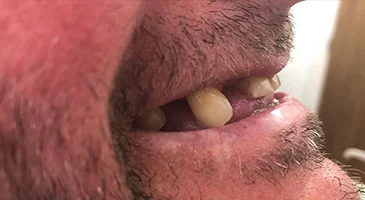
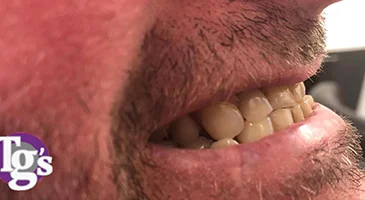
These are TGS's own patient case photographs, shown with consent.


Looked after properly, dentures can last 7 to 10 years or more, though they may need adjusting or replacing over time as your mouth changes shape.
Yes, to begin with. Getting used to dentures can take several weeks, sometimes months, and it’s common to notice some soreness, irritation, or difficulty speaking or eating during that period. Starting with soft foods and building up to harder foods helps the transition, and most patients adjust with time.
Brush them daily with a soft-bristled brush and denture cleaner, and store them in water or denture solution when you’re not wearing them. Avoid hot water or harsh chemicals.
We usually recommend removing dentures before sleep to let your gums rest and reduce the risk of irritation or infection, though your dentist may advise differently for your case.
Book a consultation to see whether a full or partial denture suits your case, and what to expect while you adjust.