
How long do dental veneers last?
Veneers are not permanent. In studies, about 95 in 100 porcelain veneers had not failed after 10 years, and composite ones failed more often. Daily cleaning and regular check-ups help them last longer.

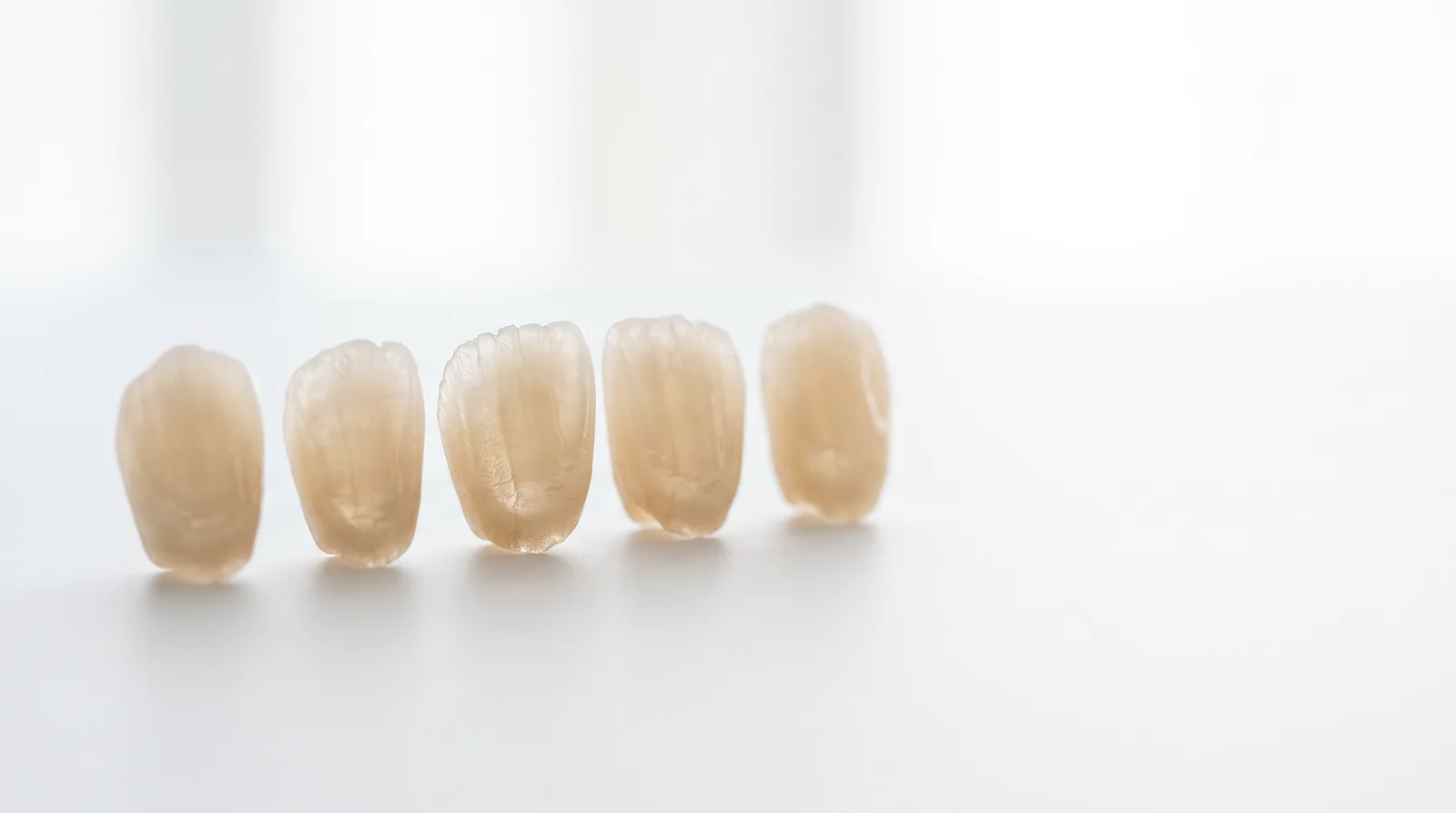
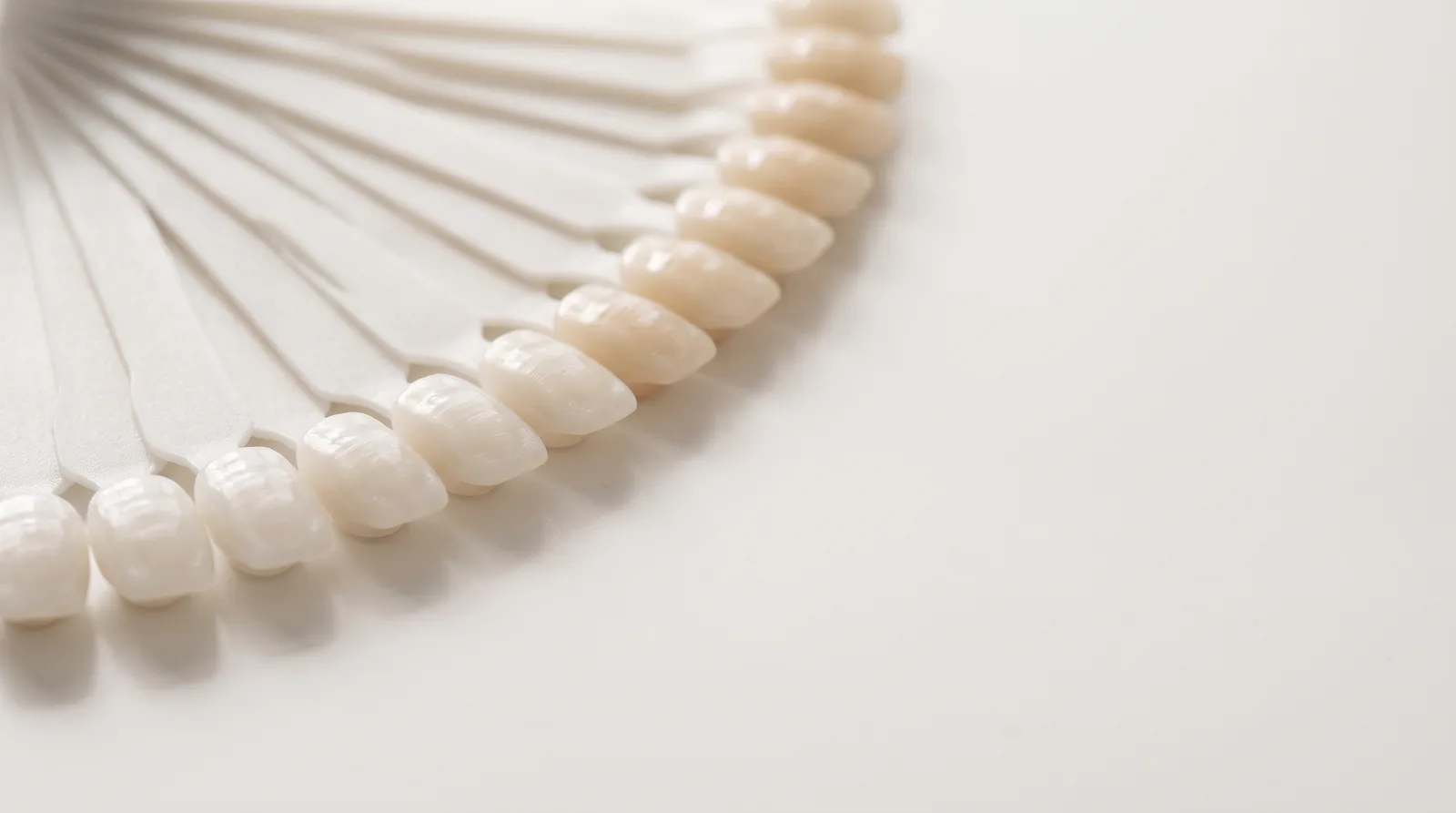
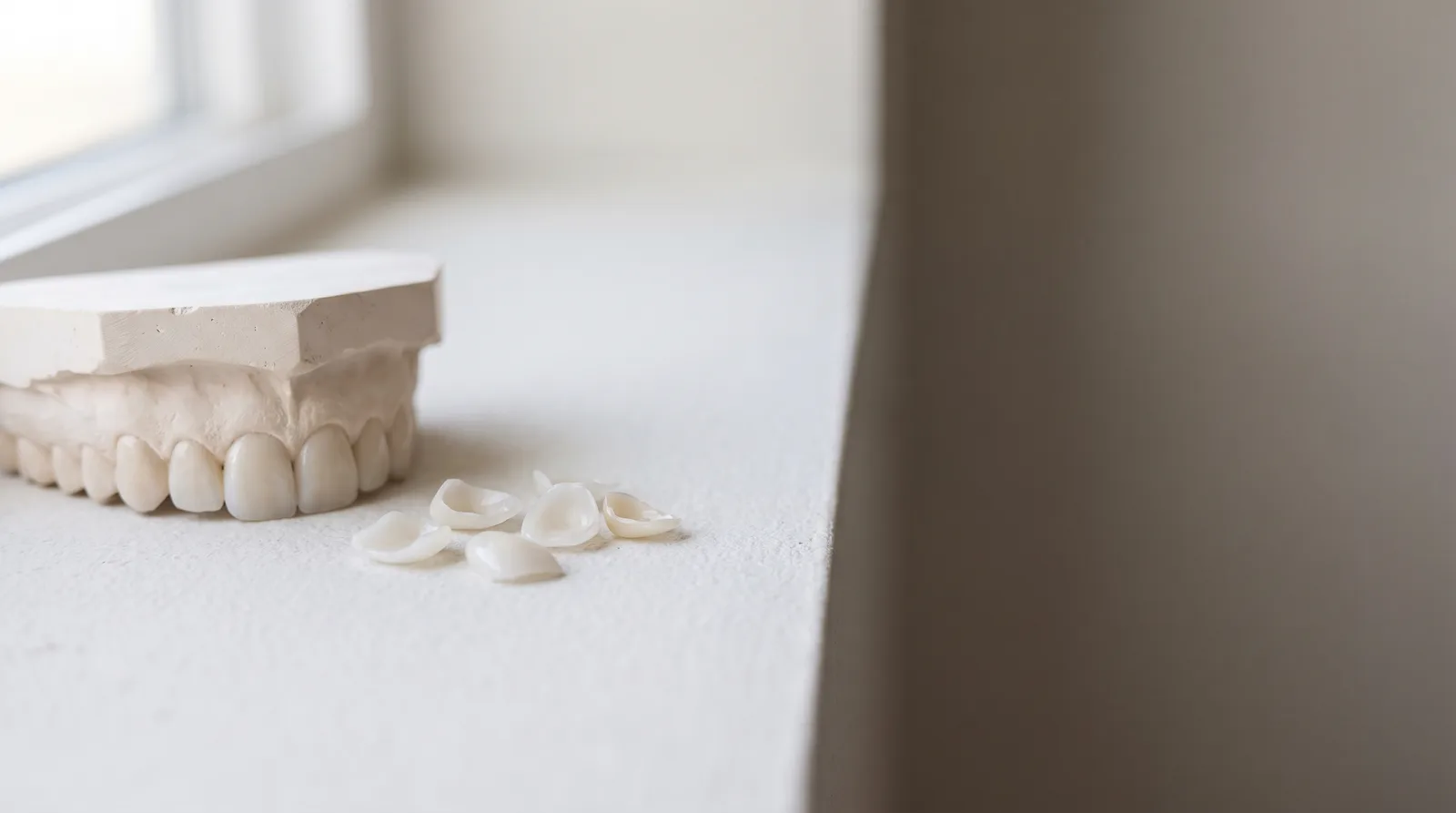
Veneers are thin, custom-made shells bonded to the front of your teeth to change their shape, shade or alignment, in porcelain or composite. They’re made to fit your own teeth and are designed to last for years with proper care.
Veneers are thin, custom-made shells, porcelain or composite, bonded to the front of your teeth to change their shape, shade or alignment. They suit patients with discoloured, chipped, gapped or uneven teeth who want a lasting cosmetic change rather than a same-day fix.
We examine your teeth, discuss what you want to change, and talk through whether a porcelain or composite veneer suits your case.
For a porcelain veneer, a small amount of enamel is removed from the front of the tooth to make room for the shell. A composite veneer is priced and applied as composite bonding work. See our composite bonding page for how that’s carried out.
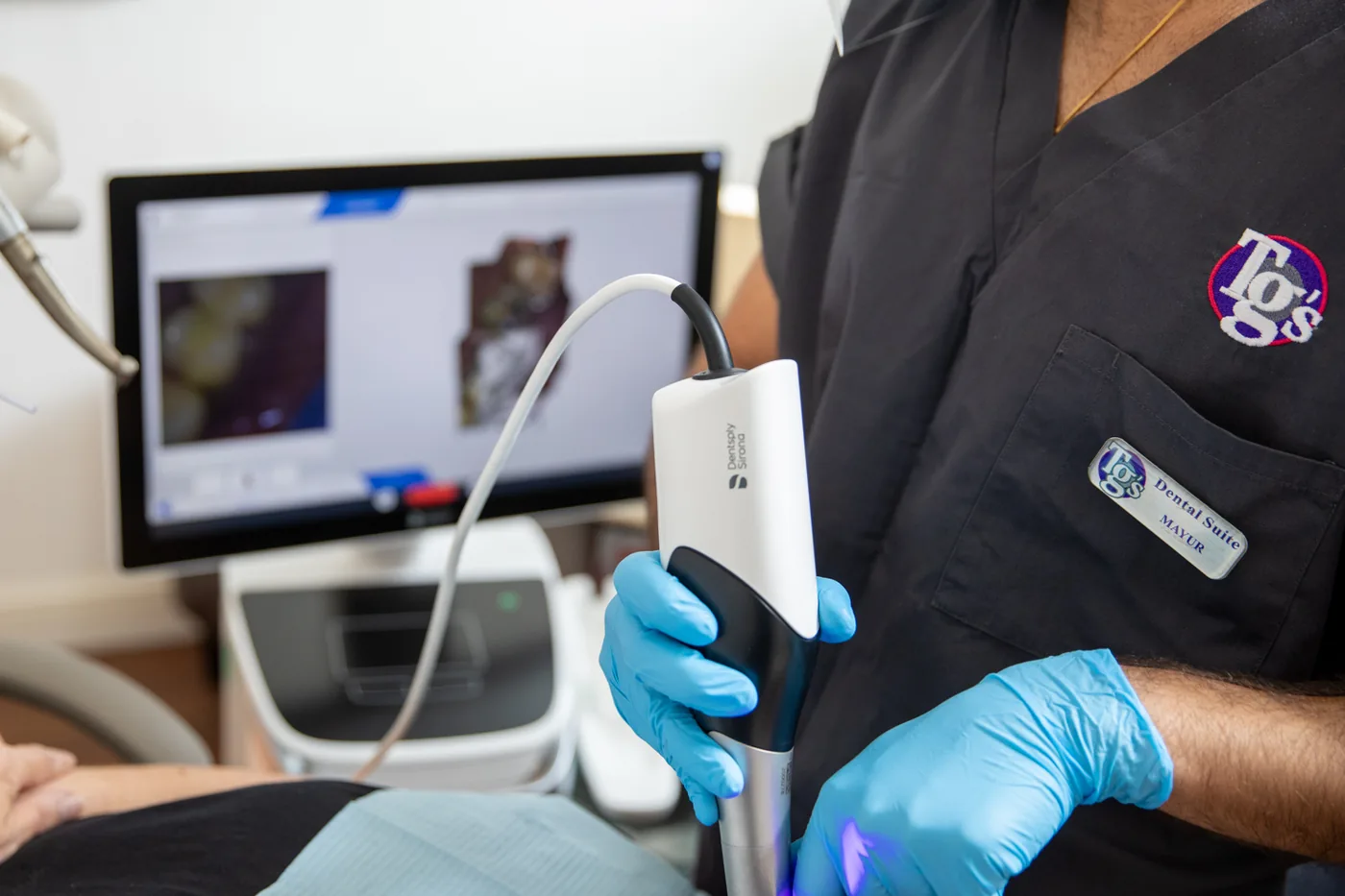
Porcelain veneers are custom-milled in-practice with our CEREC (Chairside Economical Restoration of Esthetic Ceramics) system, so there’s no temporary restoration and no wait for a lab. A composite veneer follows the same process as composite bonding. See our composite bonding page for how it’s built up and finished.
Your veneer is bonded in place and adjusted for fit and colour to blend with your surrounding teeth, with a follow-up if anything needs checking once you’ve settled in.
| Treatment | From | Member price | Notes |
|---|---|---|---|
| Porcelain veneer | £950 | £760 | Member price is lower. See Membership & Pricing. |
| Composite veneer | £450 | £360 | Composite bonding is priced as composite veneer work, at the same rate. Member price is lower. See Membership & Pricing. |
Membership plans cover routine care and cut 20% off most other treatment. See Membership & Pricing to find the right plan.
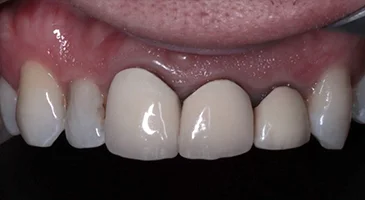
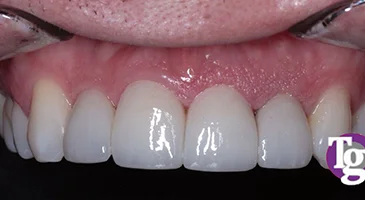
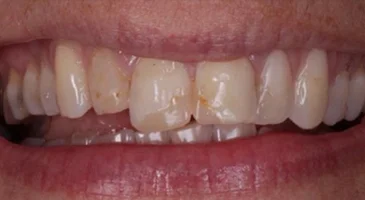
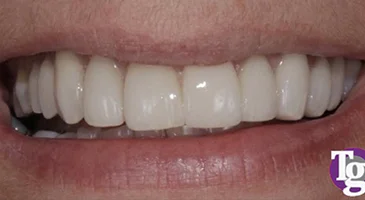
These are TGS's own patient case photographs, shown with consent.


Veneers are thin, custom-made shells bonded to the front of your teeth to change their shape, shade or alignment, in porcelain or composite, depending on what you need.
Most people are suitable candidates for veneers, but not everyone. Your dentist will need to examine your teeth and gums first to check they’re healthy enough to prepare, and to confirm veneers are the right option for what you want to achieve.
Not typically. Preparing your teeth for veneers involves removing a small amount of enamel, which can cause some mild discomfort, but most patients don’t find it painful. We can use local anaesthetic during preparation if you’d prefer the area numbed.
With good care, veneers are designed to last for years rather than being a permanent restoration. Typically that’s several years to well over a decade, depending on the material and how they’re looked after.
No. Once bonded, veneers can’t be removed without affecting the tooth underneath, because a small amount of enamel is removed to make room for them.
Brush and floss veneers as you would your natural teeth, and avoid biting into hard objects like ice or boiled sweets, which can chip or crack them. Don’t use your teeth to open packaging or bottles either. With that care, veneers hold up well for years.
Yes. If veneers aren’t the right fit, teeth whitening can brighten discoloured teeth, composite bonding can fix chips and small gaps without removing enamel, and Invisalign or other clear aligners can straighten crooked or gapped teeth. We’ll talk through which option suits your goals and budget at consultation.
Book a consultation to see which veneer route fits your case and your budget, before you decide.