Braces for adults: your options
Adults can have braces if their teeth and gums are healthy. We offer fixed braces and clear aligners (Invisalign, Spark or SureSmile, depending on the practice), and an assessment decides whether treatment suits you and which option fits.
On this page
Adults can have braces, and there is more than one kind. Here are the options we offer at TG’s Dental Suite, how they differ, and what to ask before you decide.
Can adults have braces?
Yes. The NHS says braces are often recommended for children and teenagers once their adult teeth have come through, but adults can have them as well. The British Orthodontic Society (BOS) says teeth can be moved at any age as long as the teeth and gums are healthy. If you have gum disease, your dentist will want it under control before treatment starts.
The NHS lists some reasons: teeth that are crowded or stick out, jaws that do not meet properly, large gaps, and a tooth position that makes chewing or cleaning difficult.
Adults usually pay privately. The NHS says braces are usually free only for people under 18 who have a problem with their teeth, and BOS says adults are not usually eligible for NHS treatment. All of our practices are private.
The options we offer
Teeth straightening at TG’s Dental Suite includes two main types: fixed braces and clear aligners.
| Option | What it is | Good to know |
|---|---|---|
| Fixed braces | Brackets on the teeth, joined by a wire | You cannot take them out yourself. Brackets can be metal or tooth-coloured |
| Clear aligners (Invisalign, Spark or SureSmile) | A series of clear, removable aligners | Worn full-time except at meals |
Fixed braces
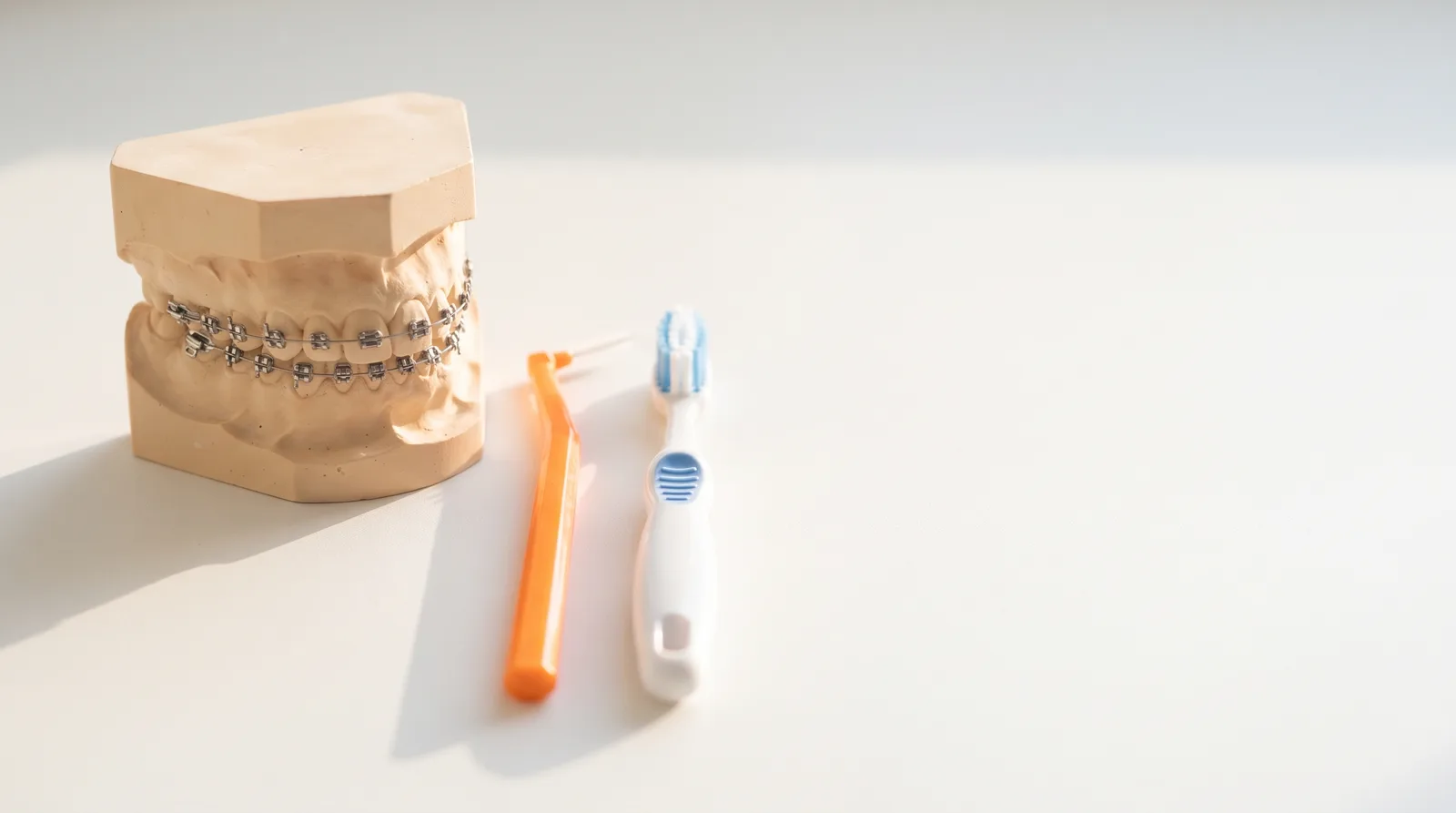
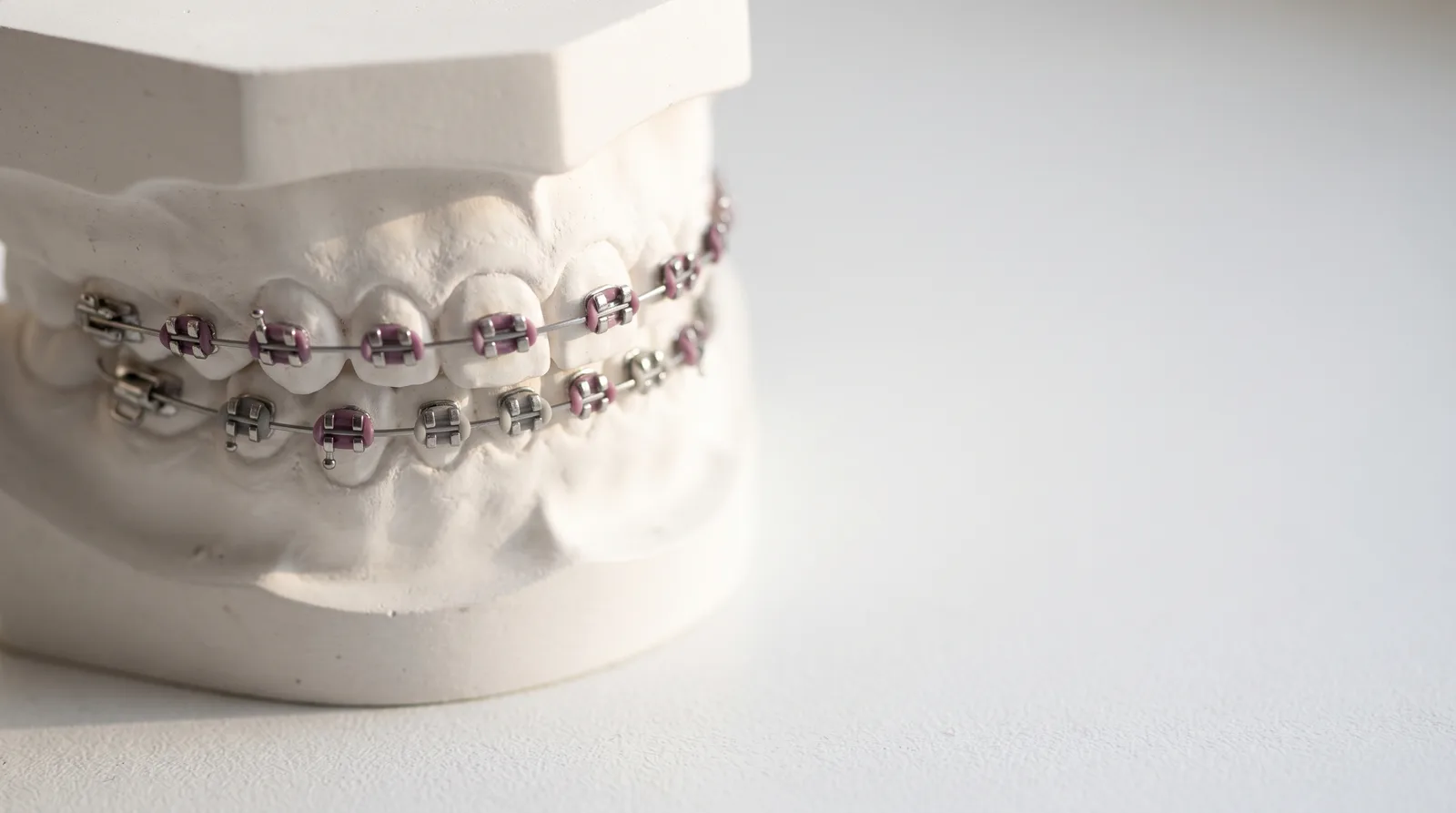
The NHS describes brackets stuck to each tooth and joined by a wire, which applies a small amount of pressure to move the teeth over time. BOS says fixed braces are the most commonly used type, in metal and tooth-coloured (ceramic) versions.
BOS describes ceramic brackets as less noticeable and often favoured by adults. It also lists drawbacks: they can discolour, break more easily than metal ones, slow treatment, wear the opposite teeth if they touch when you bite, and cost more. BOS adds that they are sometimes not advised on lower teeth when the bite is deep, because the hard material can damage the teeth that meet them. We also offer clear brackets and tooth-coloured bands for a more discreet look, so ask which version is proposed and what the trade-offs are. BOS also says claims of better results for one brand of fixed brace are often not backed by scientific evidence.
Clear aligners
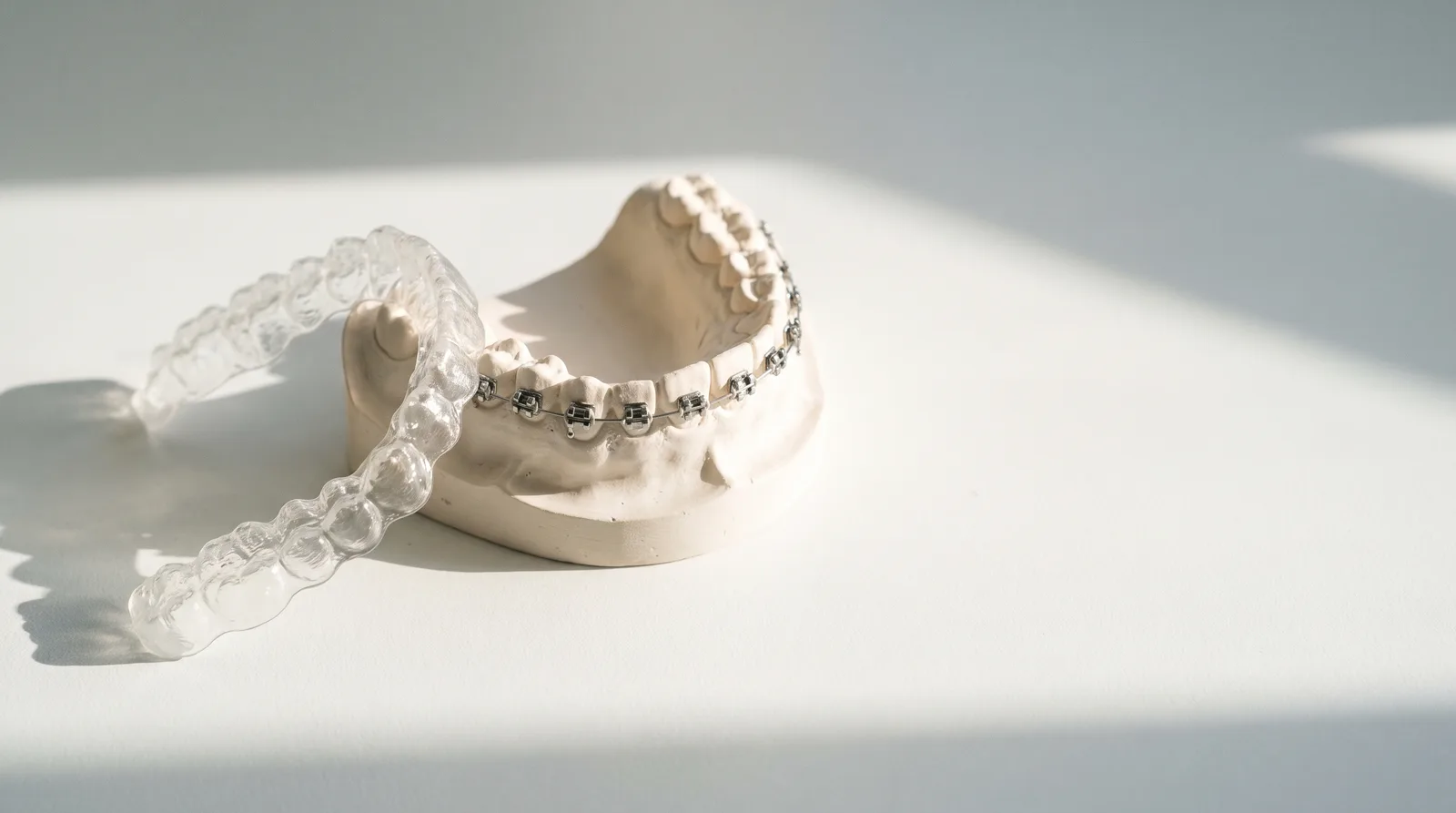
Aligners are thin, clear plastic trays that fit closely over the teeth. You wear a series of them, each moving the teeth a small step, and BOS says they are worn full-time except at meals. Invisalign is available at selected practices. Our other practices offer other clear aligners, such as Spark and SureSmile.
BOS says aligners are most commonly used where teeth need lining up without extractions, such as mild to moderate irregularity, mild spacing, and crowding that can be eased by gently widening the arch or slimming the sides of some teeth. Severe crowding, extractions, complex tooth movements or a mismatch in jaw size or position may need fixed braces as well.
Some aligner treatment also uses small grips bonded to the teeth, called attachments, and slimming of the sides of some teeth (BOS calls this inter-proximal reduction). A 2021 systematic review, which pools earlier studies, says bonded attachments are increasingly used and are linked with more food and plaque building up on the teeth. Ask whether either would be part of your plan, and what extra cleaning it needs.
Which one suits your teeth?
No system suits everyone, and BOS says to be wary if you are only offered one option. An assessment decides it. Your dentist or orthodontist examines your teeth, gums and jaws, and may take X-rays, photographs, and scans or moulds. They then explain the options, how long treatment may take and what it costs.
Some cases need more than these three systems. BOS says that for the most severe problems, notably those needing jaw surgery, adult treatment may be provided by the NHS through the hospital service, on referral from your dentist or orthodontist.
Some adults need teeth taken out to make room. BOS says this is needed in some patients, and that claims of extraction-free treatment made before an assessment deserve considerable caution. The Oral Health Foundation says removals are usually done by your regular dentist before braces are fitted.
Length varies too. The Oral Health Foundation gives a range from several months to around two and a half years, depending on how complex the problem is. BOS says a short course of about six months, for example on the front six teeth, usually produces limited changes. The teeth may also move back quickly once the braces are off. Your estimate should come from your own assessment.
Some people ask about veneers or crowns instead. BOS says they can give quick results and may suit some people, but it advises a full assessment of the risks and benefits first. Its drawbacks are that preparing the teeth is destructive and cannot be undone, they cannot be expected to last indefinitely, there are limits to how much irregularity they can hide, and their edges may affect the gums over the years. It also notes that doing nothing is an option. Our veneers page and our guide to how long veneers last explain more.
What to expect during treatment
You will usually have appointments every few weeks. BOS says four to ten weeks, while the NHS and the Oral Health Foundation say every 6 to 8 weeks for adjustments. BOS advises against starting if you know you cannot keep them. Some aching and tenderness is likely as the teeth start to move. It normally wears off after a few days, though BOS notes it varies a great deal between people, and the NHS suggests soft food while it settles.
Cleaning takes more care with braces, and your teeth are at greater risk during treatment, BOS says. Keep seeing your own dentist, because the orthodontist looks after the braces and not the rest of your mouth. The NHS and the Oral Health Foundation both advise:
- fluoride toothpaste, and interdental brushes every day to clean between the teeth and around the wires
- cutting down on sugary food and drink
- avoiding chewing gum, and limiting hard or sticky food that can break braces
They differ on how often to brush (the NHS says morning, night and after meals, while the Oral Health Foundation says last thing at night and once more in the day), so follow what your orthodontist tells you. Our guides to looking after your teeth with braces, cleaning between your teeth and white spots on teeth, which can appear during orthodontic treatment, may help.
BOS gives examples of what can go wrong during brace treatment: gum disease or gum recession, changes to how the teeth bite together, and teeth drifting back afterwards. The NHS asks you to tell your orthodontist if you have ever knocked or damaged a front tooth, as it may need further treatment while you wear braces.
After treatment: retainers
Teeth tend to move back towards where they started, which BOS calls relapse. It says the risk is particularly high in the early months after braces come off and remains in the long term, so it advises keeping retention going long term. The NHS says you will wear a retainer after your braces are removed, and your orthodontist will tell you for how long.
BOS describes two kinds. A removable retainer may be worn full-time at first and then reduced to nights, and it depends on you remembering it. A fixed retainer is glued behind the teeth and needs careful cleaning around it. If its glue fails, a tooth may start to drift, and BOS says to contact your orthodontist at once. Our guide to retainers after braces covers wear and care.
Questions to ask before you start
BOS suggests asking these, and says you should also be given time to decide and a written plan and fee estimate where appropriate.
- How long will treatment take?
- Will the end result be stable, and will I need retainers, and for how long?
- What are the risks of treatment?
- What will it cost in total, and does that include breakages and retainers?
- Will I be treated by an orthodontist, a dentist or an orthodontic therapist?
A note on mail-order aligners
You may see adverts from companies suggesting you can straighten your teeth at home, without seeing a dentist or orthodontist. BOS says there are serious risks. A trained clinician needs to examine you fully to decide whether treatment is in your interests. Without supervision, the result may fall short and you may need further treatment, or in the worst case there may be permanent damage to dental health. The General Dental Council says that at present nothing replaces a physical examination. It also says you must be told the full name of the professional responsible for your treatment and be able to contact them.
When to see a dentist
If you already have braces, the NHS says to contact your orthodontist in these situations.
- your teeth are painful for more than a few days after the braces are fitted or adjusted
- your gums are very red, swollen or painful
- a brace is broken
- a fixed retainer breaks or comes loose, which BOS says to report at once
What we would do
Treatment starts with a consultation, where we assess your bite and talk through whether clear aligners or fixed braces fit your case and lifestyle. An orthodontic consultation is a £25 deposit, taken off the cost of your treatment if you go ahead. Where your practice has a 3D digital scanner, we use it to help plan treatment. Regular reviews then track how your teeth are moving.
Our teeth straightening page covers both types, and our guide to what to expect with Invisalign and clear aligners goes further. Our price list shows published prices, though some systems are quoted per case at consultation.
If you have been weighing this up for a while, book a consultation at whichever of our five practices suits you, and bring the questions above.
Want us to take a look?
Book an appointment at whichever of our five practices suits you. We will check what is going on and talk you through your options.
Questions this guide answers
Am I too old to have braces?
The British Orthodontic Society says teeth can be moved at any age as long as the teeth and gums are healthy. Your dentist or orthodontist checks your teeth, gums and bite first, so they can tell you whether treatment suits you.
Can I have braces on the NHS as an adult?
Usually not. The NHS says braces are usually free only for people under 18 with a problem with their teeth, and that from 18 you will usually pay. Our practices are private.
Are clear aligners suitable for every case?
Not always. The British Orthodontic Society says aligners are most often used where teeth need lining up without extractions. Severe crowding, extractions, complex tooth movements or a jaw size or position problem may need fixed braces as well.
Do I have to wear a retainer after braces?
The NHS says you will need to wear a retainer once your braces come off, and your orthodontist tells you for how long. The British Orthodontic Society says the risk of teeth moving back remains in the long term, so it advises keeping retention going long term.
Are mail-order aligners a safe alternative?
The British Orthodontic Society says these carry serious risks and strongly advises against them. The General Dental Council says nothing at present replaces a physical examination before a course of treatment is judged suitable.
Sources (8)
- Braces and orthodontic treatment (NHS)
- Everything you need to know before having your teeth straightened
- Clear aligners
- Conventional fixed braces
- DIY orthodontics
- Orthodontic treatment (braces)
- Statement on direct-to-consumer orthodontics and supporting information
- Impact of aligners and fixed appliances on oral health during orthodontic treatment: a systematic review and meta-analysis