Loose baby teeth: advice for parents
Baby teeth usually loosen from age 5 to 6, and the baby molars at about 9 to 12. A tooth knocked out or pushed out of place needs an emergency dentist. Book a check-up if one is sore, very early or stays firm.
On this page
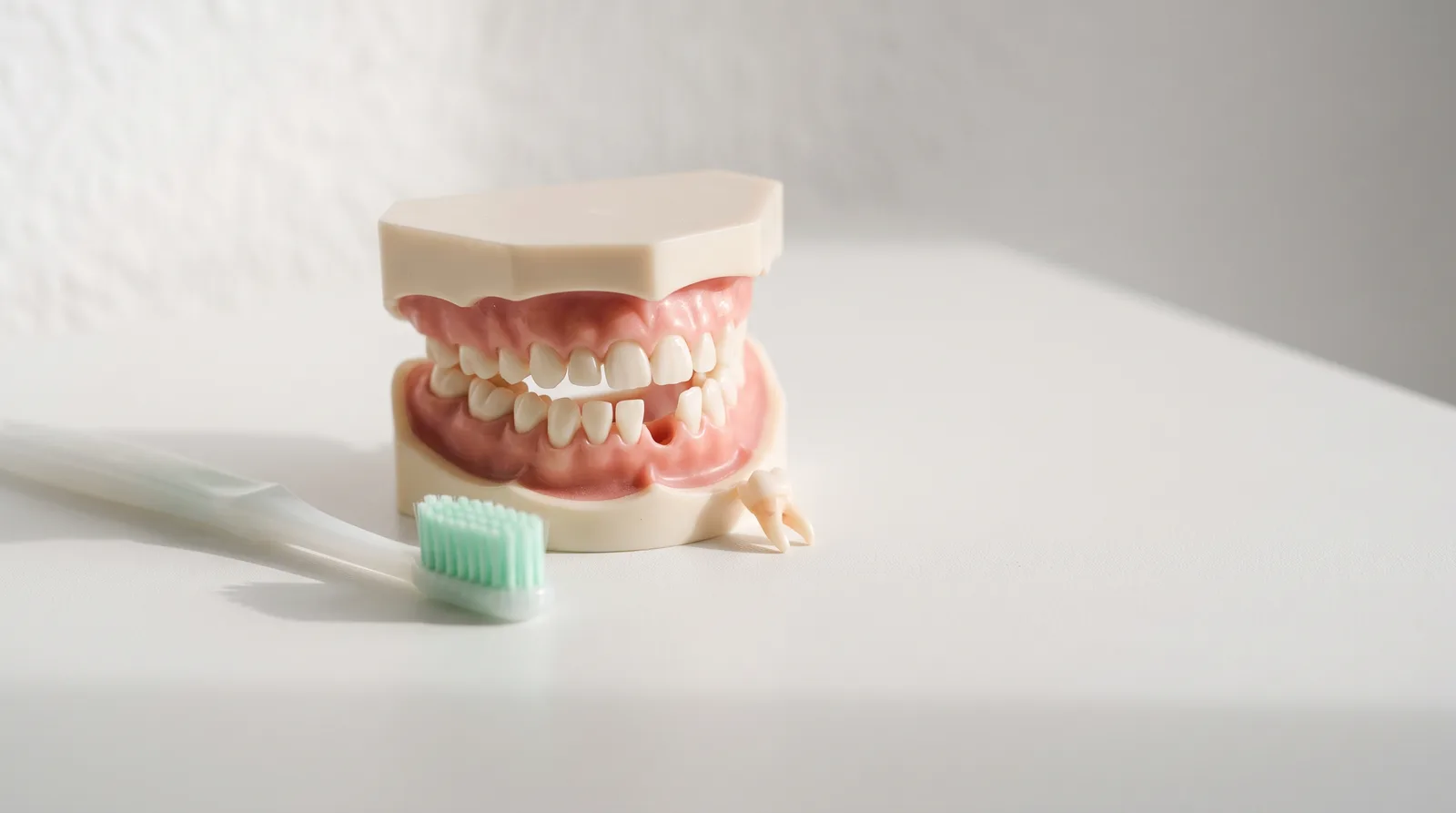
A wobbly tooth is a milestone for most children and a small worry for some parents. Losing baby teeth is a normal stage of growing up.
When do baby teeth start to come out?
NHS inform, run by Public Health Scotland, says baby teeth should start to fall out gradually between the ages of 5 and 6, with adult teeth growing in shortly after. The Oral Health Foundation gives around age 6 as the time adult teeth start to appear, and says every child is different and small differences are normal. So the starting age varies a little from child to child.
A baby tooth usually loosens as the adult tooth beneath it gets ready, so the ages at which these adult teeth come through are a guide to when you may see wobbly teeth. The Oral Health Foundation gives these typical ages for the adult teeth that replace baby teeth:
| Adult tooth | Usually around age |
|---|---|
| Central incisors (middle front teeth) | 7 |
| Lateral incisors (next to them) | 8 |
| Lower canines | 9 |
| First premolars | 9 to 10 |
| Second premolars | 10 to 11 |
| Upper canines | 11 |
The baby molars at the back come out later. The Scottish Dental Clinical Effectiveness Programme (SDCEP), whose guidance is written for dentists, gives around 9 to 11 for the first baby molars and 10 to 12 for the second. NHS inform says a child should have lost all their baby teeth, and have 28 adult teeth, between about 12 and 14.
Some adult teeth arrive without any warning. The adult molars at the very back come through behind the baby teeth and do not replace any of them, so no wobbly tooth announces them. The Oral Health Foundation gives around age 6 for the first molars and around age 12 for the second molars. It says the first molars need careful cleaning, and that dentists may suggest fissure sealants, a protective coating on the biting surface.
Why do baby teeth go loose?
A baby tooth loosens because its own root is slowly broken down, a process dentists call root resorption. It happens as the adult tooth underneath gets ready to take its place. SDCEP describes a baby tooth close to falling out as one that moves when examined, or whose root shows signs of resorption on an X-ray.
Until then, baby teeth have a job. The British Society of Paediatric Dentistry says they hold space for the adult teeth to move into. A guide for dentists from the British Orthodontic Society adds that losing a baby tooth early can let the teeth around it drift, which may shift the middle line of the teeth or how the back teeth meet. It says this matters mostly where the teeth are already crowded. That is why a tooth that comes out much earlier than expected is worth mentioning to your dentist.
What can you do about a wobbly tooth?
We could not find UK national advice on how to loosen a baby tooth, so we would rather a dentist looked at it than suggest a method. What SDCEP does say concerns decay in a baby tooth that is nearly ready to come out. Its guidance for dentists aims to avoid treatment the child does not need. If the tooth is likely to come out without causing pain or infection, it says treatment is unnecessary, although the dentist may still take simple steps to protect the tooth.
In the meantime, keep cleaning your child’s teeth as usual. NHS inform says keeping baby teeth healthy and clean helps children eat, talk and avoid problems when the adult teeth grow in. Our guides to oral health and your children and children’s dental health tips cover brushing and toothpaste by age. If your child is bothered by a loose tooth, or it seems stuck, ask a dentist to look at it.
What if a baby tooth is knocked out?
The NHS gives one firm rule: never put a baby tooth back in, because it could damage the adult tooth growing underneath. Advice for adult teeth is different, and time matters for them, so if you are not sure which kind of tooth it was, ask for help straight away. If it could be an adult tooth, do not throw it away. The NHS says you can put it in milk, or in a container of your child’s spit, and get to a dentist as soon as possible.
NHS inform says that knocking out or displacing (moving out of position) a tooth is a dental emergency. A tooth that is loose or out of place after a knock may count as displaced, so treat it the same way and let the dentist judge.
- Ask for an emergency dentist appointment if your child has had a tooth knocked out, or pushed out of place or left loose by a knock, even if you cannot find the tooth.
- Out of hours, call your dentist, as the answerphone may tell you what to do. If you have no dentist, or cannot get an emergency appointment, call 111 for advice.
The NHS page on knocked-out teeth sets out the steps for adult teeth.
When a tooth does not follow the pattern
Dentists call a baby tooth that stays in long after its usual time a retained tooth. In the British Orthodontic Society’s guide, retained baby teeth may prompt a referral for specialist advice, and a retained baby tooth whose nerve has died often pushes the adult tooth that follows out of position.
The guide also says that for the permanent front teeth and first molars, a tooth will normally come through within six months of its partner on the other side of the mouth. So an adult tooth that appears on one side while its partner has not shown after about six months is worth a look.
When to see a dentist
The British Society of Paediatric Dentistry says that until their 18th birthday, the time between a child’s dental appointments should never be more than 12 months. A check-up is a good moment to mention a tooth that worries you.
- a baby tooth that is loose much earlier than the ages above, or for no reason you can see
- a loose tooth that is sore, or red or swollen gums around it
- an adult tooth coming through while the baby tooth it should replace is still firm
- an adult front tooth or first back molar that has come through on one side, with its partner on the other side still missing after about six months
Intense pain, a swollen face or jaw, or a high temperature can point to a dental abscess, a pocket of pus caused by infection. The NHS says an abscess will not clear up by itself and needs a dentist’s treatment, so ask for an urgent dentist appointment or get help from NHS 111. It adds that a GP surgery is the wrong place to go, because a GP cannot give dental treatment. Our guide to tooth infection and abscess explains more.
The NHS says to call 999 or go to A&E if your child has any of these signs.
- your child finds it hard to breathe, speak or swallow
- their eye is swollen or painful, or their eyesight suddenly changes
- there is a lot of swelling in their mouth
- they find it hard to open their mouth
What we would do
We are a private practice and are not accepting NHS patients, so the free NHS dental care for children applies at NHS dentists, not here.
Our children’s dentistry page explains how we look after children from their first visit (our guide to a child’s first dental visit says what to expect), with unhurried appointments paced to how your child feels. On our children’s plans, two examinations a year keep track of how their teeth and jaw are developing, which is a natural point to ask about a tooth that is early, late or not following the pattern. Where the dentist needs to see what a visual exam cannot show, a small dental X-ray can be taken. If a tooth does need to come out, extractions where the dentist judges one necessary are part of the general dentistry our children’s membership plans cover.
If a tooth is knocked out, our emergency dentist page lists a knocked-out tooth among the reasons to call your nearest practice.
If a tooth is loose too early, too late or in an odd place, book a check-up for your child at whichever of our five practices suits you, and the dentist can tell you what is going on.
Want us to take a look?
Book an appointment at whichever of our five practices suits you. We will check what is going on and talk you through your options.
Questions this guide answers
At what age do baby teeth start to fall out?
NHS inform says baby teeth should start to fall out gradually between the ages of 5 and 6, with adult teeth growing in shortly after. The Oral Health Foundation gives around age 6 for when adult teeth start to appear, and says every child is different.
Should I pull my child’s loose tooth?
We could not find UK national advice on how to loosen a baby tooth, so we would rather a dentist looked at it than suggest a method. If your child is bothered by the tooth, or it seems stuck, a dentist can tell you whether it is ready to come out.
What should I do if my child knocks out a baby tooth?
The NHS says never put a baby tooth back in, because it could damage the adult tooth growing underneath. Ask for an emergency dentist appointment, even if you cannot find the tooth. If it could be an adult tooth, keep it in milk or in a container of your child’s spit. Out of hours, call your dentist or 111 for advice.
An adult tooth is coming through but the baby tooth has not fallen out. Is that a problem?
Dentists call a baby tooth that stays in long after its usual time a retained tooth. A dentist can check how the adult tooth is coming through. If the baby tooth is pushing the adult tooth out of position, the British Orthodontic Society guide for dentists says taking the baby tooth out is one option. Some retained teeth are referred for specialist advice.
Sources (8)
- Knocked-out tooth
- Dental abscess
- Everything you need to know about teeth
- Tooth eruption timeline
- A practical guide to children’s teeth
- Prevention and management of dental caries in children: teeth close to exfoliation
- Managing the developing occlusion: a guide for dental practitioners
- Broken or knocked-out tooth