Sleep, snoring and your mouth
The Oral Health Foundation says snoring often means mouth breathing, which can dry your mouth and raise decay and gum disease risk. Breathing pauses at night or heavy tiredness by day are for your GP.
On this page
Waking with a dry mouth, or being told that you snore, does not sound like a dental matter. But what happens in your mouth overnight can affect your teeth and gums, and your dentist can spot some of the effects, such as a dry mouth or worn teeth.
Can poor sleep affect your teeth and gums?
Possibly, but the evidence is thinner than you might expect. A 2024 review in the International Dental Journal pooled 11 studies. It found no overall link between gum disease (periodontitis) and either short or long sleep. Gum disease was more common, though, in people who slept 5 hours or less a night.
The authors call the evidence limited. All 11 studies looked at people at a single point in time, and people reported their own sleep, so the studies cannot show cause and effect or which comes first. The authors say studies that follow people over time are needed.
How can snoring and mouth breathing affect your mouth?
The Oral Health Foundation says snoring often means you breathe through your mouth at night, and that this can cause a dry mouth. The NHS adds that mouth breathing at night can happen if you have a blocked nose or sleep with your mouth open.
Saliva matters here. It helps wash away food and bacteria, protects teeth from decay and keeps gums healthy. The Oral Health Foundation says a dry mouth raises the risk of:
- bad breath
- tooth decay
- gum disease
- soreness in the mouth
The NHS also says you are more likely to get tooth decay if you have a dry mouth. It suggests keeping some water by your bed, and says a pharmacist may suggest a decongestant if a blocked nose might be the cause. Our dry mouth guide covers causes and what helps.
Grinding your teeth at night
The NHS says teeth grinding is often related to stress or anxiety, which it names as the most common cause. It is also linked to sleep problems like snoring and sleep apnoea. Grinding can leave teeth worn down or broken, which can lead to sensitivity and to losing teeth and fillings. Other signs include a painful jaw, headaches, earache and disturbed sleep.
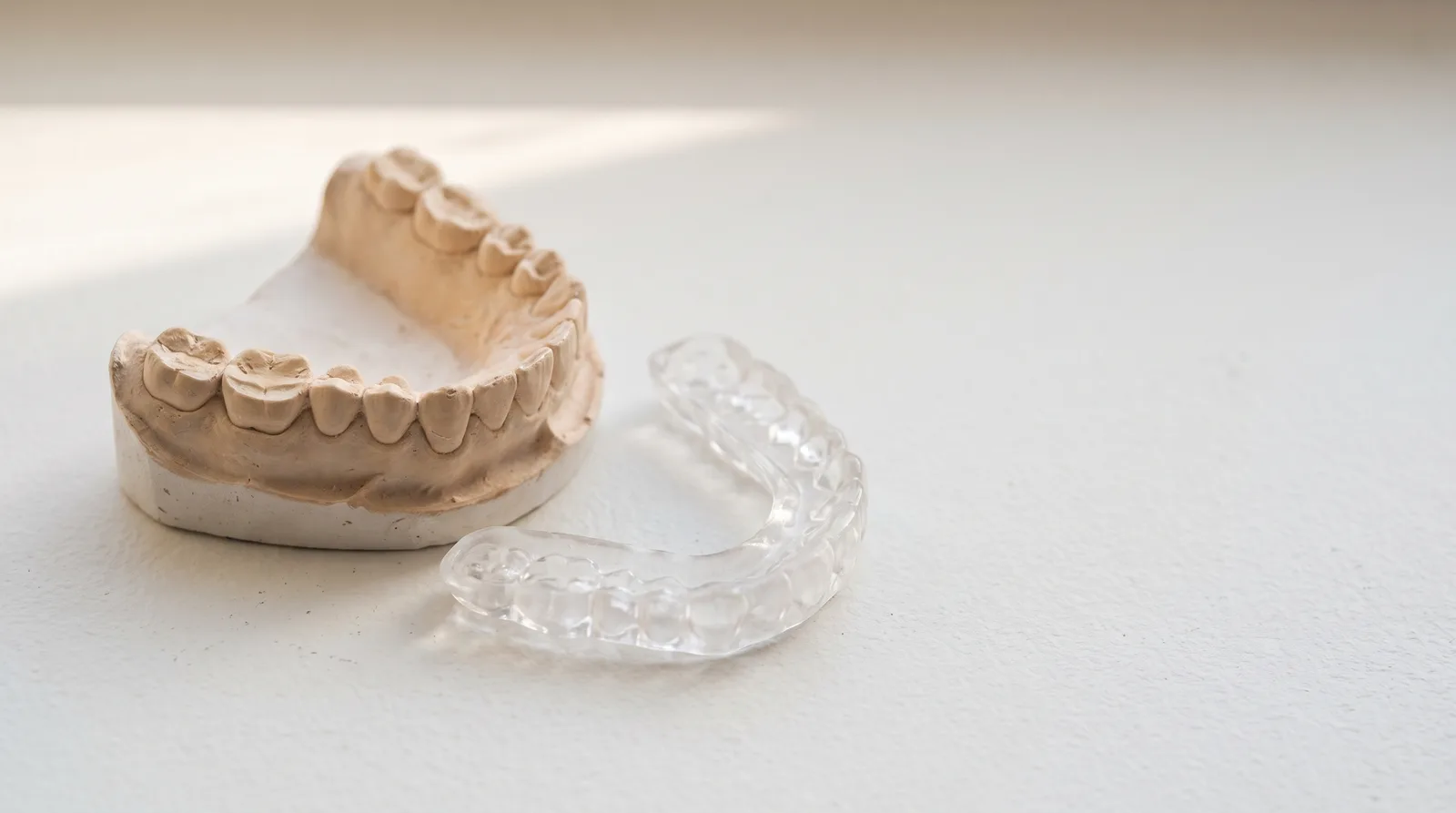
The NHS says treatment is not always needed. A dentist may recommend a mouth guard or splint worn at night to protect your teeth. Our guides to teeth grinding and jaw pain cover this in more detail.
What is sleep apnoea, and is snoring a sign of it?
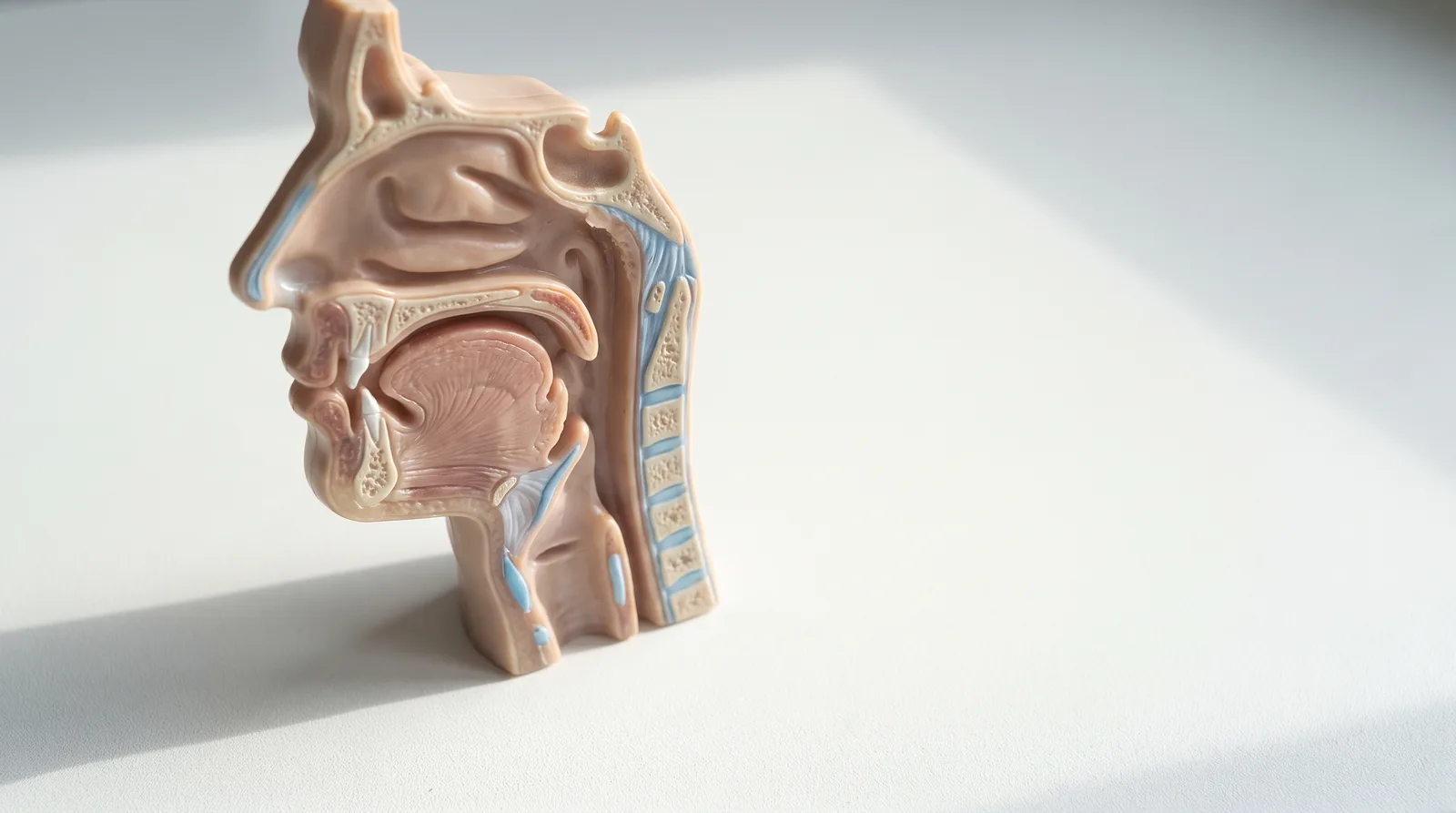
Most snoring is not a sign of anything serious, says the NHS. It happens when parts of your tongue, mouth, throat or nose vibrate as you breathe, because they relax and narrow in sleep. You are more likely to snore if you are overweight, smoke, drink too much alcohol or sleep on your back.
Sometimes snoring is caused by sleep apnoea, when your breathing stops and starts while you sleep. The most common type is obstructive sleep apnoea. The NHS says it needs to be treated because it can lead to more serious problems. Alongside snoring, it lists these signs during sleep:
- your breathing stopping and starting
- gasping, snorting or choking noises
- waking up a lot
By day, the NHS says you may feel very tired, find it hard to concentrate, have mood swings or wake with a headache. It adds that sleep apnoea can be hard to spot yourself, and that it can help to ask someone to stay with you while you sleep.
- your breathing stops and starts while you sleep
- you make gasping, snorting or choking noises while you sleep
- you always feel very tired during the day
- lifestyle changes are not helping your snoring
- your snoring is having a big impact on you or your partner
The NHS says to see a GP for any of these. If someone else has seen the signs, it can help to bring them with you.
The NHS says children and young adults can get sleep apnoea too, and links it with large tonsils or adenoids. If you are worried about a child’s breathing at night, speak to a GP.
How is sleep apnoea diagnosed and treated?
Sleep apnoea is not diagnosed at a dental check-up. The NHS says a GP who thinks you might have sleep apnoea may refer you to a specialist sleep clinic. There you wear devices overnight that check things like your breathing and heartbeat, usually at home but sometimes in the clinic. NICE, the National Institute for Health and Care Excellence, says the results of a sleep study are used to confirm sleep apnoea and decide how severe it is.
The NHS says lifestyle changes can sometimes treat it. Many people need a continuous positive airway pressure (CPAP) machine instead. It gently pumps air into a mask worn over the nose, or nose and mouth, and is free on the NHS if you need it. NICE lists nose and mouth dryness among the side effects of CPAP. If your mouth feels dry on CPAP, tell your doctor and mention it to your dentist too.
If sleep apnoea with excessive sleepiness is confirmed, the NHS says you must not drive until symptoms like feeling very tired are under control. You may need to tell the Driver and Vehicle Licensing Agency.
Where do dentists and mouth devices fit in?
The NHS lists a device like a gum shield, called a mandibular advancement device, among the other treatments sometimes used for sleep apnoea. It holds your airway open while you sleep.
NICE calls this device a splint. For some adults with confirmed sleep apnoea, it says a customised or semi-customised splint can be considered. This applies to people who cannot tolerate a CPAP machine or decide not to try one. The person needs to be 18 or over with teeth and gums in very good health. For mild sleep apnoea, NICE adds that their symptoms should affect their usual daytime activities.
NICE says the evidence on which type to choose was unclear. From experience, its committee judged custom-made devices fitted by a suitably trained dentist better than semi-custom or ready-made boil-and-bite ones. The devices are not suitable under 18, because they may affect how the teeth develop.
NICE lists possible side effects for people starting one. In the short term these are mild discomfort, extra saliva and a change in your bite. In the long term they include problems with how your teeth meet. Follow-up appointments are part of the care.
A 2023 British Dental Journal article on how dentists can help makes two further points:
- The type of splint it describes can trap food around the teeth and keep saliva from them. That raises the risk of decay and gum disease, so cleaning carefully matters.
- A device made only to stop snoring may mask the signs of sleep apnoea and delay its diagnosis. The article cites guidance from Dental Protection, a dental defence organisation. Anyone with suspected sleep apnoea should have a medical assessment and a diagnosis from a suitably trained specialist before a device is made.
For snoring without sleep apnoea, the NHS says treatment depends on the cause. It lists a mandibular advancement device for people whose tongue partly blocks the back of the throat, and says to talk to a doctor about the right option. The Oral Health Foundation says your dentist can discuss whether a dental appliance might help in some cases, if your doctor advises it.
When to see a dentist
The Oral Health Foundation says to tell your dentist if you snore, so mention it at your next check-up. It adds that you should speak to your doctor as well if it is loud, regular or comes with daytime tiredness.
- you grind your teeth and have worn, broken or sensitive teeth
- you grind your teeth and have pain in your jaw, face or ear
- your partner says you grind your teeth in your sleep
- you are worried about your child grinding their teeth
- you often wake with a dry mouth
If your mouth is still dry after a few weeks of home or pharmacy treatments, the NHS says to see a GP.
What we would do
Our starting point is a new patient exam. We examine your teeth, gums and soft tissues and take small X-rays where needed. Tell us if you snore, wake with a dry mouth or think you grind your teeth. The Oral Health Foundation says a dentist can check for signs of dry mouth, gum disease and tooth wear, and advise on keeping your mouth moist and healthy.
If we find decay, a filling repairs the tooth. A dental hygiene appointment removes plaque and tartar and includes advice on your brushing and flossing.
If you have signs of sleep apnoea, such as breathing pauses at night or feeling very tired every day, the NHS advises seeing your GP. Our treatment pages do not list sleep apnoea tests or mandibular advancement devices.
If snoring or poor sleep is affecting your mouth, book an appointment to have your teeth and gums checked.
Want us to take a look?
Book an appointment at whichever of our five practices suits you. We will check what is going on and talk you through your options.
Questions this guide answers
Can a dentist treat sleep apnoea?
Not on their own. Sleep apnoea is diagnosed through your GP and a sleep clinic, not at a dental check-up. Once it is confirmed, NICE says a custom-made or semi-custom mouth device can be considered for some adults who cannot use, or decide not to try, a CPAP machine. NICE’s committee preferred devices made by a suitably trained dentist.
Can snoring affect my teeth and gums?
Snoring often means you breathe through your mouth at night, which the Oral Health Foundation says can cause a dry mouth. A dry mouth raises the risk of tooth decay and gum disease, so tell your dentist if you snore.
Is grinding my teeth at night linked to snoring?
It can be. The NHS says teeth grinding is most often linked to stress and anxiety, and also to sleep problems like snoring and sleep apnoea. See a dentist if you have worn or sensitive teeth, or jaw, face or ear pain.
Is a shop-bought snoring mouthpiece a good idea?
Speak to your dentist or GP first. A British Dental Journal article says a device made only to stop snoring may mask sleep apnoea and delay its diagnosis. NICE’s committee, going on experience because the evidence was unclear, judged custom-made devices from a suitably trained dentist better than ready-made ones.
Sources (8)
- Sleep apnoea
- Snoring
- Obstructive sleep apnoea/hypopnoea syndrome and obesity hypoventilation syndrome in over 16s (NG202)
- Snoring
- Dry mouth
- Teeth grinding (bruxism)
- How can general dental practitioners help in the management of sleep apnoea?
- Sleep duration and risk of periodontitis: a systematic review and meta-analysis