Braces for children: a parent’s guide
Most children start braces around 12 or 13, once all their adult teeth have come through. Fixed braces usually run 18 to 24 months. An assessment by a dentist or orthodontist decides what your child needs.
On this page
Hearing that your child may need braces raises questions at once: when, what kind, who pays, how long, and how to keep their teeth healthy meanwhile. Some have clear answers in UK guidance. For the rest, an assessment of your child’s own teeth decides.
When do children usually get braces?
The British Orthodontic Society (BOS) says most children begin treatment around 12 or 13, once all their adult teeth have come through. The NHS describes the same pattern: braces are often recommended for children and teenagers after the adult teeth have arrived. In a few cases, BOS says, treatment is better started early and your dentist may refer your child sooner.
Does an early start help? A 2018 Cochrane review included 27 trials of children and teenagers under 16 with prominent upper front teeth, the ones that stick out. Three of the trials used a functional appliance, which the Oral Health Foundation (OHF) describes as a brace that guides jaw development in growing children. In those trials, 19 in 100 children first treated at 7 to 11 later had a new injury to their upper front teeth. Among children treated once, at 12 to 16, the figure was 30 in 100. The review found no other clear advantage to starting early, rated the evidence low to moderate in quality, and covers prominent front teeth only.
Why might a child need braces?
The NHS lists teeth that are crowded or stick out, upper and lower jaws that do not meet properly (an overbite or underbite), large gaps, and teeth placed so that chewing or cleaning is difficult.
Only an assessment can say whether your child needs treatment. Your dentist can examine their teeth and refer them to an orthodontist. A specialist orthodontist has at least three years of extra training after qualifying as a dentist, BOS explains. Any qualified dentist may carry out orthodontics if they feel competent to do so. An orthodontic therapist, a registered member of the dental team, can provide some of the treatment.
Who pays: the NHS route and private care
According to the NHS, braces are usually free only for people under 18 who have a problem with their teeth. If a dentist thinks your child needs them, they refer your child to an orthodontist, and there may be a long waiting list. The orthodontist assesses your child and decides whether they are eligible, which depends on how their teeth affect daily life, for example eating or cleaning. If they are not eligible, you can talk to a dentist about alternatives or pay privately.
Our practices are private and are not taking NHS patients, so braces with us are paid for privately.
What kinds of braces are there?
Metal fixed braces are the most common type used in children, says BOS.
| Type | What it is | Worth knowing |
|---|---|---|
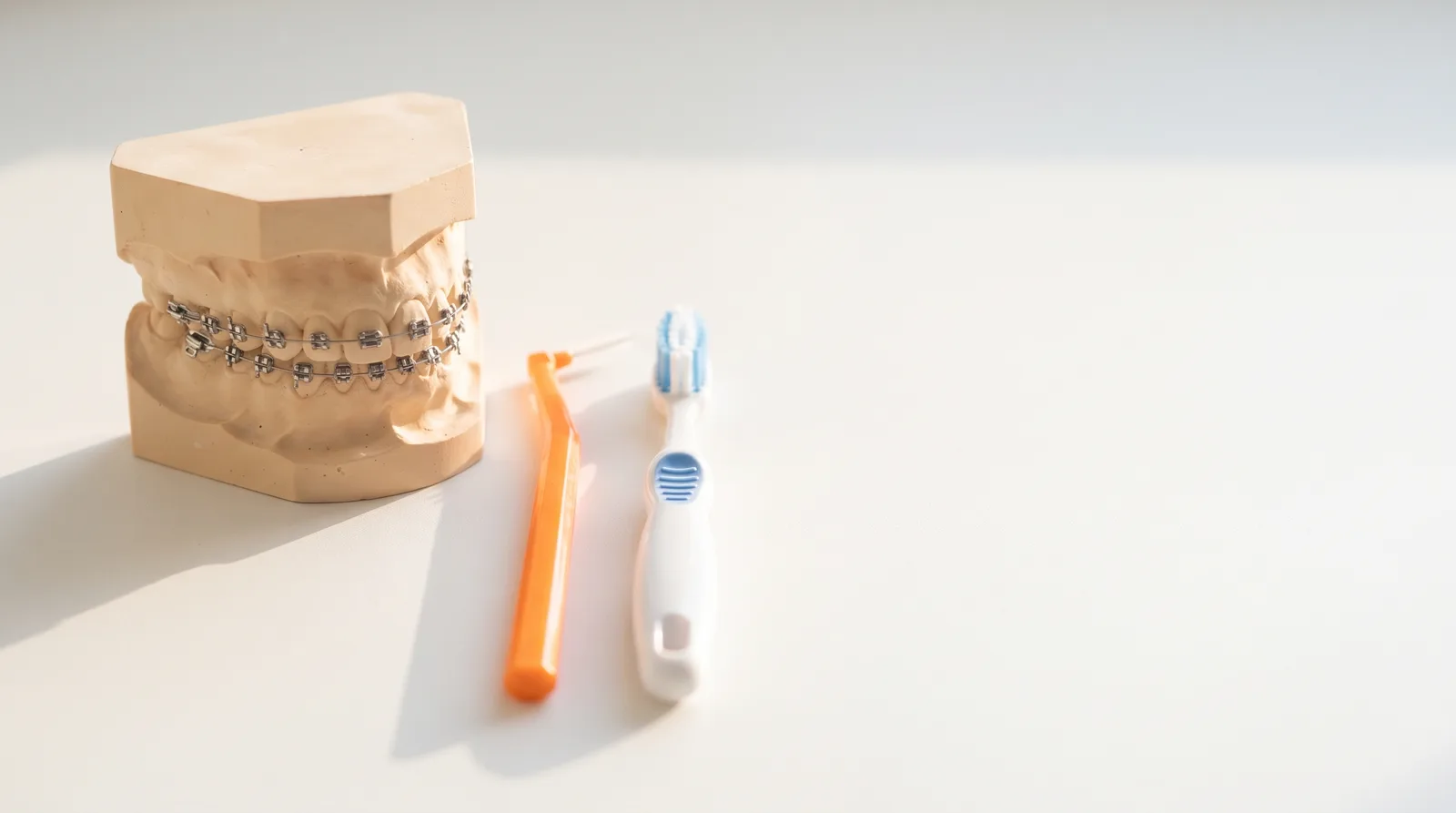
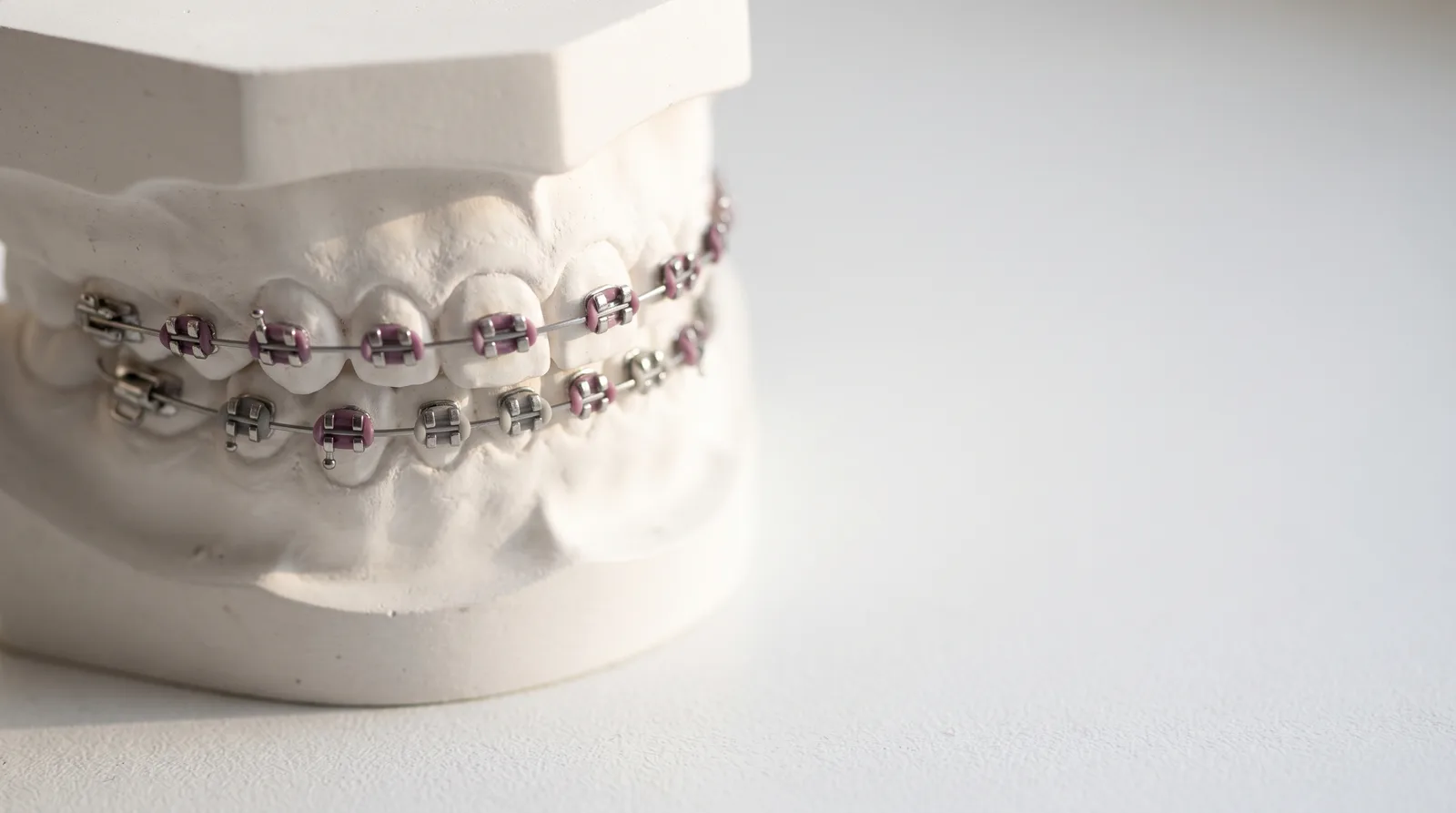
| Metal fixed brace | Brackets glued to the teeth, joined by a wire and held with small elastic rings | Hard foods can break the brackets (BOS) |
| Tooth-coloured fixed brace | The same design, with ceramic brackets | Less noticeable, but they can stain and break more easily (BOS) |
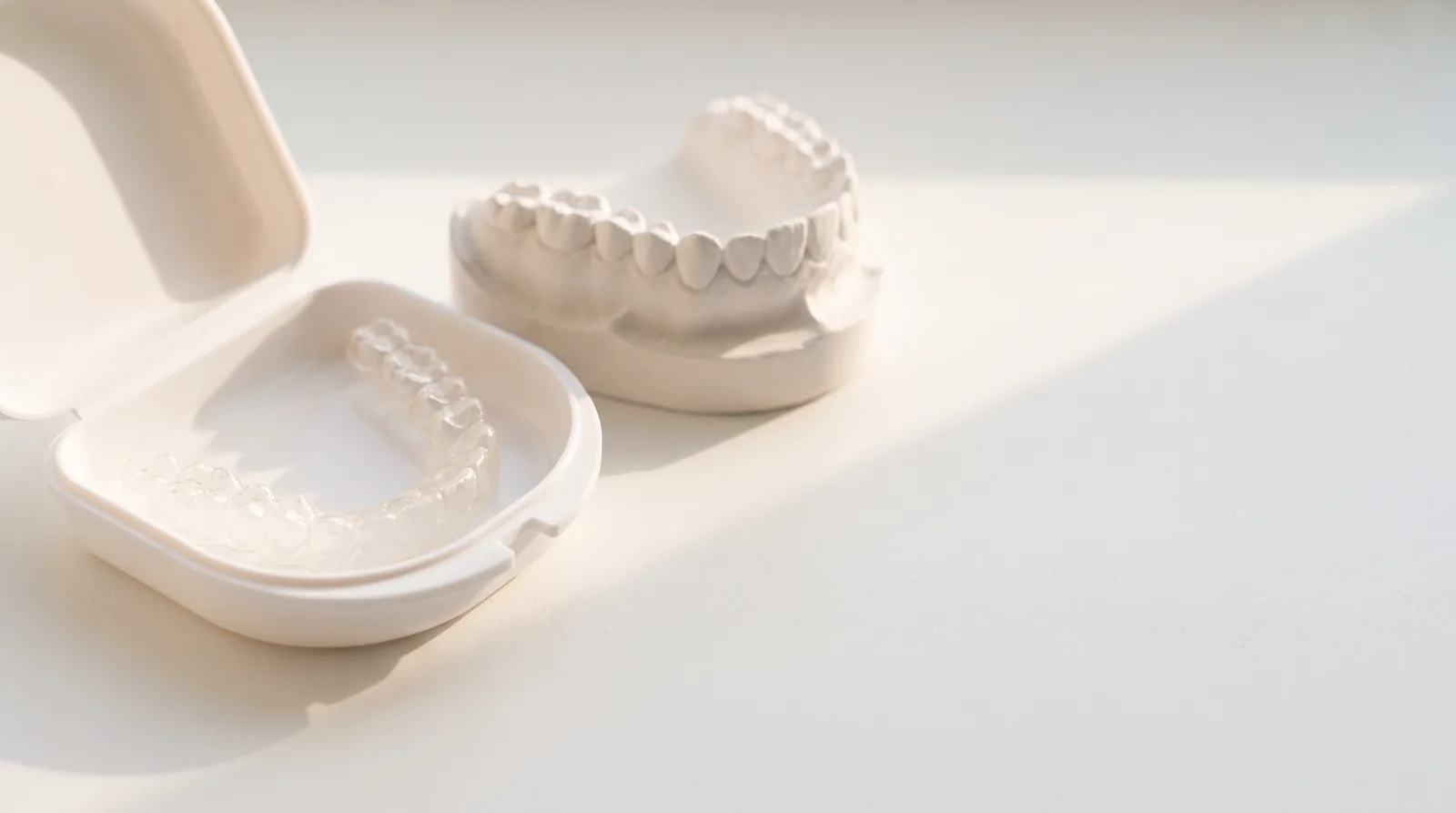
| Clear aligners | Removable clear plastic trays, worn in a series | Can work well for mildly crooked teeth, but BOS says they are not well suited to prominent upper front teeth or cases needing extractions |
| Removable plates and functional appliances | Plates that can be taken out for cleaning, and appliances used in growing children to guide jaw development | BOS says plates do simple, limited tooth movement |
The elastic rings on a metal brace can be coloured. A few types of bracket are not designed for rings, so colours are not always an option.
Do brace brands make a difference?
There are many brands of fixed brace. BOS says they all essentially do the same job, and that makers’ claims of superior results often lack scientific evidence. Take self-ligating braces, which use a built-in clip instead of elastic rings to hold the wire. BOS finds no evidence that they give a better result than a conventional fixed brace. There is evidence, it says, that changing the wire takes less time and that the brace is less likely to discolour between visits, because no elastics are used.
BOS also urges caution if a clinic claims braces will make a child’s cheekbones rise or their jaws move significantly, or will improve breathing or speech or treat jaw joint problems. It knows of no scientific evidence for any of these. If you are offered only one option, BOS says to be wary, and a second opinion is available if you are in doubt.
What happens during treatment?
At the first appointment the orthodontist examines your child’s teeth and jaws and may take X-rays, photographs or scans, the NHS says. The OHF adds that moulds can be taken and that the options, likely length and cost are explained. Braces are very unlikely to be fitted that day, according to BOS.
Some patients, young people included, need teeth taken out to make room, BOS says, and the OHF says your regular dentist usually does this beforehand. BOS advises caution about any promise of treatment without extractions, especially one made before an assessment. It also suggests asking these questions:
- How long will treatment take?
- Will the result be stable?
- Will retainers be needed, and for how long?
- What are the risks?
- What is the total cost, including breakages and retainers?
- Will an orthodontist, a dentist or an orthodontic therapist treat my child?
BOS says fixed braces usually take 18 to 24 months. For orthodontic treatment in general, the OHF says it can take from several months to around two and a half years, depending on how complex the problem is. Adjustment visits come every 6 to 8 weeks according to the NHS and the OHF, and every 4 to 10 weeks according to BOS, so your orthodontist will set the pattern.
Teeth may be sore for a few days after the braces are fitted, the NHS says, and soft food can help. Ask a pharmacist which pain relief suits your child. The NHS says aspirin should not be given to children aged 15 or under.
When the braces come off
Your child will need a retainer, and the orthodontist tells you how long to wear it, according to the NHS. Teeth tend to drift back, BOS explains, with a particular risk in the early months, and the risk never goes away, so it advises keeping retention going long term. If your child has a fixed retainer glued behind the teeth, BOS says careful cleaning around it is essential to avoid gum problems. Our guide to retainers after braces covers the types.
Looking after teeth and braces
Teeth are at greater risk during treatment, and the orthodontist looks after only the braces, BOS explains. Regular visits to your child’s own dentist carry on.
BOS lists things that can go wrong during treatment, including gum problems and changes to how the teeth bite together. The OHF says to clean carefully around the brackets and wires, and that your orthodontist may recommend a higher-fluoride toothpaste to help protect against tooth decay.
The NHS and the OHF agree on the main points:
- Use fluoride toothpaste, and clean between the teeth and under the wires every day with an interdental brush.
- Keep sugary food and drink down, because they can cause decay.
- Avoid hard, crunchy or sticky foods that can break brackets, and chewing gum.
They differ on brushing: the NHS says morning, night and after meals, the OHF last thing at night and once more in the day. Follow what your orthodontist tells you. Our guides to looking after your teeth with braces and cleaning between your teeth add detail, and if you notice pale or chalky marks on the teeth, white spots on teeth explains the possible causes.
For contact sports, a mouthguard over a fixed brace mainly protects the brace and the mouth, and BOS advises wearing one. Ordinary guards stop fitting quickly as teeth move, and special designs exist for braces, so ask your orthodontist which to use. Our mouthguards guide has more.
When to see a dentist
The NHS says to contact your child’s orthodontist if:
- their teeth are painful for more than a few days after the braces are fitted or adjusted
- their gums are very red, swollen or painful
- a brace is broken
- a fixed retainer breaks or comes loose, which BOS says to report at once
Before the braces go on, tell the orthodontist if your child has ever knocked or damaged a front tooth, the NHS says, as it may need more treatment while they wear braces.
What we would do
Teeth straightening at TG’s Dental Suite starts with a consultation, where we assess your bite and talk through which system fits the case. Our site lists fixed braces among the systems, and regular reviews then track how the teeth are moving. It also says coloured bands are popular with children, and that tooth-coloured bands and clear brackets suit anyone after a more discreet look.
Our teeth straightening page covers the systems we describe, and our children’s dentistry page explains the check-ups that keep an eye on how teeth and jaws develop. If your child’s teeth are crowded, stick out or are hard to clean, a dentist can assess them. You can book an appointment at whichever of our five practices suits you, and bring the questions above.
Want us to take a look?
Book an appointment at whichever of our five practices suits you. We will check what is going on and talk you through your options.
Questions this guide answers
What age do children usually get braces?
The British Orthodontic Society says most children start around 12 or 13, once all their adult teeth have come through. In a few cases treatment is better started early, and a dentist may refer your child sooner.
Are braces free on the NHS for children?
The NHS says braces are usually free only for people under 18 who have a problem with their teeth. An orthodontist decides eligibility, based on how the teeth affect daily life. Our practices are private, so braces with us are paid for privately.
Will braces hurt my child?
The NHS says braces can feel strange at first and teeth may be sore for a few days after they are fitted. The British Orthodontic Society says how much discomfort people feel varies a great deal. Ask a pharmacist which pain relief suits your child.
Is one brand of brace better than another?
The British Orthodontic Society says the many brands of fixed brace all essentially do the same job, and that makers’ claims of better results are often not backed by scientific evidence. Ask your orthodontist why they recommend a particular brace.
Can my child play sport with braces?
The British Orthodontic Society advises people with fixed braces to wear a mouthguard for contact sports. It says ordinary guards soon stop fitting as teeth move, and that special designs for braces exist. Ask your orthodontist which type to use.
Sources (8)
- Braces and orthodontic treatment (NHS)
- Aspirin: medicine for pain relief or preventing blood clots
- Frequently asked questions about orthodontic treatment
- Conventional fixed braces
- Claims about orthodontics
- Contact sports and mouthguards
- Orthodontic treatment (braces)
- Orthodontic treatment for prominent upper front teeth (Class II malocclusion) in children and adolescents