Teeth whitening: what to expect
Whitening lightens natural teeth, but not crowns or fillings. In the UK, only a dentist, or a hygienist, therapist or clinical dental technician on a dentist’s prescription, may give it. How long it lasts varies.
On this page
If your teeth have darkened or stained over the years, whitening is an obvious thing to ask about. The questions that follow are usually the same: does it work, is it safe, who is allowed to do it, and will the colour last?
How does teeth whitening work?
Whitening lightens the colour of natural teeth with a peroxide gel. A Cochrane review of home-based whitening explains that the active ingredient in most gels is hydrogen peroxide. Some products supply it as carbamide peroxide, which breaks down into hydrogen peroxide when it meets water.
Teeth stain or darken with age, with regular tea, coffee or red wine, and with smoking, according to the NHS. Whitening changes the colour of natural teeth only. The NHS does not recommend it if you have crowns, dentures or implants, and the Oral Health Foundation adds that it does not work on fillings or veneers.
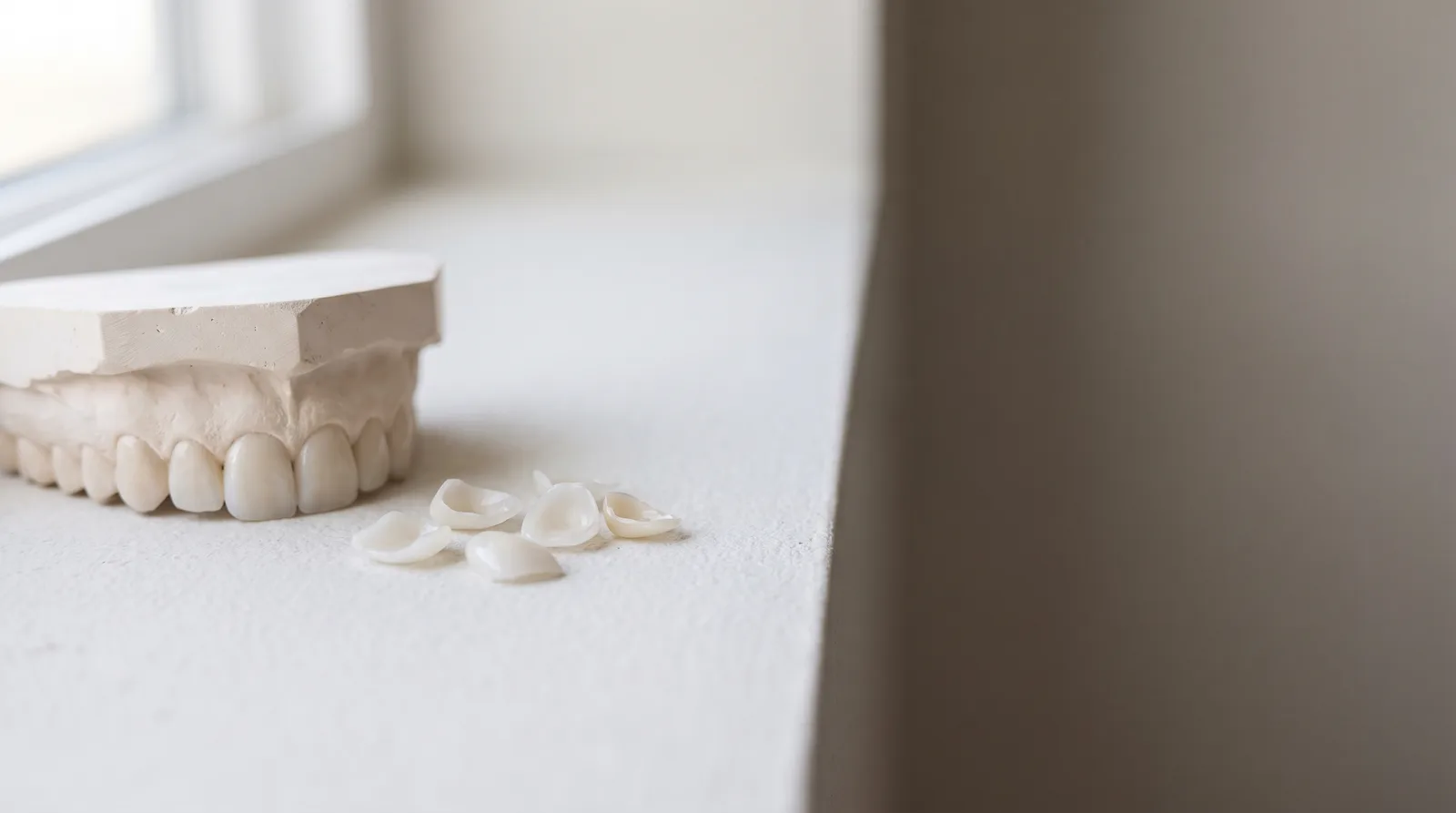
Because restorations do not lighten, a difference in shade between them and your natural teeth is possible. We usually suggest whitening before a new crown or veneer is made, so the new restoration can be matched to your whitened teeth.
Who is allowed to whiten your teeth?
The General Dental Council (GDC) describes whitening as the practice of dentistry, so the law reserves it for registered dental professionals. It says only a dentist, dental therapist, dental hygienist or clinical dental technician working to a dentist’s prescription can legally provide it. A beauty therapist cannot, and neither can anyone who has done a short training course.
A second rule covers the product. Under UK cosmetics law, oral products, including toothpaste, mouth rinse and whitening products, may contain or release no more than 0.1% hydrogen peroxide. The exception is whitening products with more than 0.1% and up to 6%, which may only be sold to dental practitioners and must not be used on anyone under 18.
| Route | Who can provide it | What to know |
|---|---|---|
| Take-home trays | A dentist, or a hygienist, therapist or clinical dental technician on a dentist’s prescription | Trays made to fit your teeth, worn for weeks |
| In the dental surgery, with a laser or light | The same dental professionals | The NHS says it is usually one appointment of around 1 to 2 hours |
| Shop-bought strips, gels and paint-on products | Available to the public, but by law limited to 0.1% hydrogen peroxide or less | The Oral Health Foundation says they usually do not change natural colour much. The NHS says kits from a pharmacy or online may harm your teeth and gums |
| Beauty salons | Not allowed unless the person is a registered dental professional | The NHS says it may harm your teeth and gums |
The Oral Health Foundation explains that shop-bought strips, gels and paint-on products contain only a very small amount of whitening ingredient. They may lift some surface stains, but they are not a substitute for professional whitening. It also says treatment by someone without dental training can permanently damage teeth and gums.
You can check whether someone is registered by searching the GDC register on its website. If you were offered whitening, or had it done, by someone who is not registered, the GDC asks to hear about it.
What happens with take-home whitening?
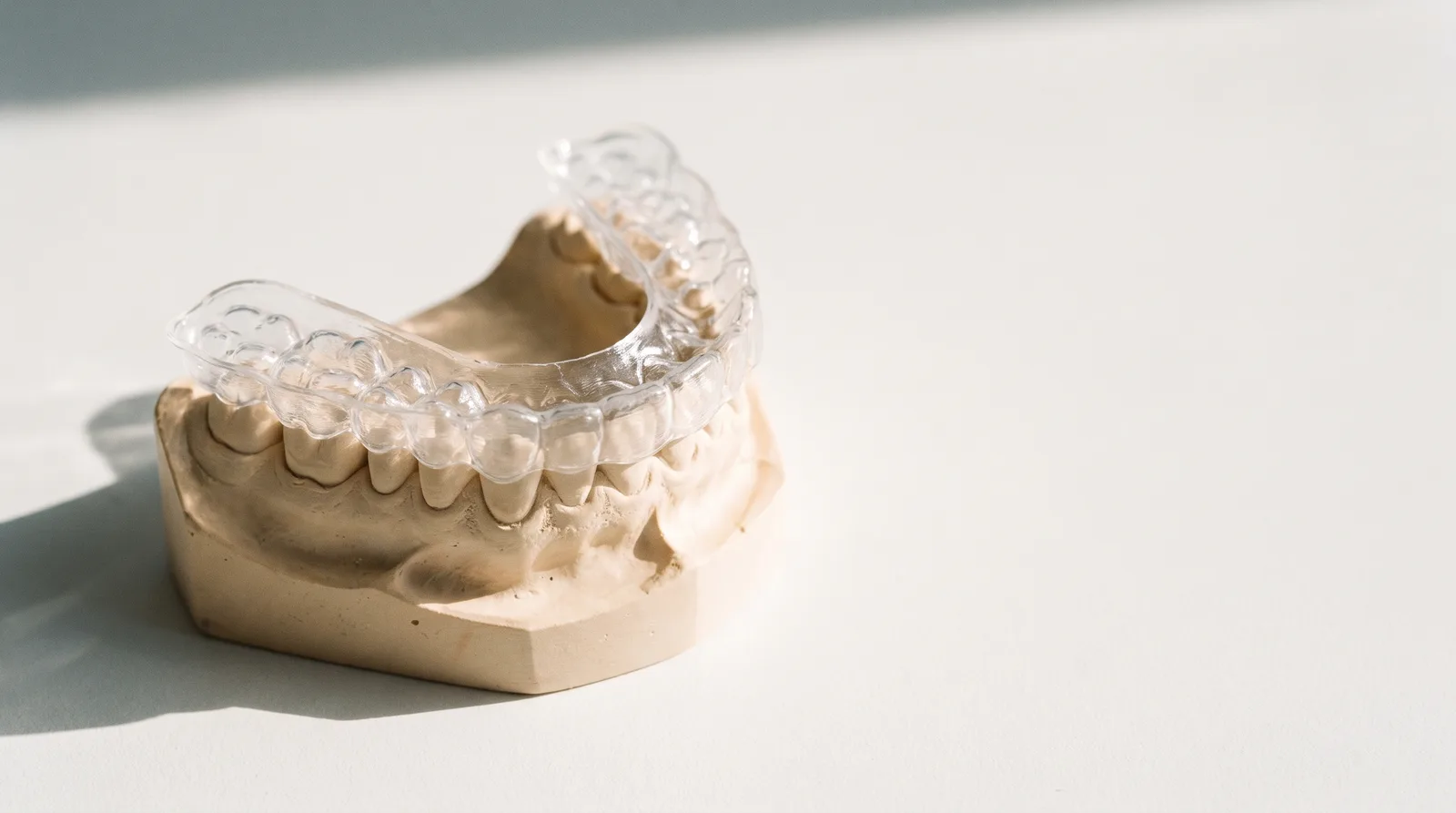
The NHS says the dentist should check that your teeth and gums are healthy before anything else, to make sure whitening is right for you. For a kit used at home, a dentist prescribes a gel and trays that fit closely around your teeth, like a mouthguard. At an appointment you check the fit, learn how often to wear the trays and how to protect your gums, and then use them at home.
The length of a course differs between sources. The NHS says around 2 to 6 weeks, and the Oral Health Foundation says usually 1 to 2 weeks. Your dentist sets the plan for you. Whitening is not available on the NHS, so it is private treatment.
Does it work, and what are the side effects?
A 2018 Cochrane review included 71 trials with 3,780 adults, covering whitening products used at home, whether from a dentist or over the counter. In the 26 trials that compared a product with a placebo, teeth lightened over short periods, from 2 weeks to 6 months. Many of the over-the-counter products tested were much stronger than UK law allows in shop products, so these results do not show that products sold in UK shops work. The review rates the certainty of this evidence as low to very low, and it could not say whether any one product, strength or way of applying it is better than another.
We do not promise a particular shade. Our whitening page says results vary from patient to patient, which is why we assess your teeth first.
Side effects can include teeth that feel sensitive to cold or sweet food and drink, sore gums or throat, and white patches on the gums, according to the NHS. Your dentist should protect your gums with a soft shield or paste, but you can still have side effects for a short time. The Cochrane review found that tooth sensitivity and irritation in the mouth were the most common, were more frequent with higher concentrations, and were mild and short-lived. Sensitivity has other causes too, covered in our guide to sensitive teeth.
Who should not have whitening?
Whitening is not done for anyone aged 17 or under, or where the teeth or gums are unhealthy, according to the NHS. It also does not recommend it during pregnancy or breastfeeding. Your dentist can talk through whether any of this applies to you.
A single tooth that has darkened more than the others can have a different cause, such as a nerve that has died or an earlier root canal filling. A 2023 review lists both among the causes of discolouration inside a tooth. It is worth having a dentist look at that tooth before you try whitening.
If your worry is white marks rather than overall colour, our guide to white spots on teeth explains the causes.
How long does the result last?
No single figure fits everyone, and UK sources describe it differently. The NHS says whitening is not permanent, and that if you follow your dentist’s advice the effect may last around 3 years. The Oral Health Foundation says results can last several years, but this varies.
A 2023 systematic review of at-home whitening, covering 24 studies, found that most authors reported colour staying stable between 1 and 2.5 years. The same review says the long-term benefits are not well established, and that colour was less stable after whitening of severe staining.
How can you look after the result?
Smoking, and drinks such as tea, coffee and red wine, can make staining return more quickly, says the Oral Health Foundation. Good brushing and regular dental cleaning help maintain the result, it adds. A hygiene appointment removes plaque and tartar and includes advice on your own brushing and flossing.
How strictly to avoid staining drinks is less settled. A 2024 systematic review covered five clinical trials, with 40 to 80 participants each and follow-up of up to a month. It found no significant colour difference between people on a restricted diet and people exposed to coffee, tea, red wine or cola-based drinks. The authors concluded that a stain-free diet is not necessary during or after whitening.
The trials followed people for a month at most, so they cannot show what happens over years. Ask your dentist what they recommend for your treatment.
If the colour fades and you would like a top-up, speak to your dentist first. Whitening products above 0.1% hydrogen peroxide can only be sold to dental practitioners, so a stronger kit is not something to buy elsewhere.
What to ask before you start
The GDC suggests asking questions before you agree to whitening, and asking for a written treatment plan and cost estimate. Useful ones include:
- Who will do the treatment, and are they on the GDC register as a dentist, hygienist, therapist or clinical dental technician?
- Which type of whitening is being offered, and how does it differ from the others?
- What are the risks, and what result is realistic for my teeth?
- Will my crowns, veneers or fillings match afterwards?
- What aftercare is included, and who can I contact with a problem?
- What happens if I am unhappy with the result?
When to see a dentist
- sensitivity, sore gums or white patches on your gums that bother you during or after whitening
- your teeth have darkened or stained and you would like to know whether whitening suits them
- one tooth has darkened more than the others
- you are pregnant or breastfeeding, or have crowns, dentures or implants, and are thinking about whitening
What we would do
Whitening is offered at all five of our practices. It starts with an assessment, because your dentist needs to look at your teeth and gums first. If whitening suits you, we take an impression and make trays to fit your teeth. You wear them at home with a professional whitening gel for the time your dentist tells you.
Our teeth whitening page says a course typically takes 2 to 3 weeks, depending on your staining and how much lightening you want. If you have a date in mind, such as a wedding, mention it at the assessment so the plan allows enough weeks.
If you are not sure where to start, a new patient exam looks at your teeth, gums and soft tissues. A hygiene appointment removes plaque and tartar. The fee for whitening is on our price list.
To find out whether whitening suits your teeth, book an assessment at whichever of our five practices suits you.
Want us to take a look?
Book an appointment at whichever of our five practices suits you. We will check what is going on and talk you through your options.
Questions this guide answers
Can I get my teeth whitened at a beauty salon?
No. The General Dental Council says only a registered dentist, dental therapist, dental hygienist or clinical dental technician working to a dentist’s prescription can legally provide whitening. The NHS says whitening from a beauty salon, or with a kit bought from a pharmacy or online, does not work as well and may harm your teeth and gums.
How long does teeth whitening last?
It varies. The NHS says the effect may last around 3 years if you follow your dentist’s advice, and the Oral Health Foundation says several years. A 2023 review found most studies reported stable colour for 1 to 2.5 years. Your dentist can tell you what to expect for your teeth.
Does whitening work on crowns, veneers or fillings?
No. Whitening only lightens natural teeth, according to the NHS and the Oral Health Foundation, so a difference in shade is possible. We usually suggest whitening before a new crown or veneer is made, so it can be matched to your whitened teeth.
Will whitening make my teeth sensitive?
It can. The NHS lists sensitivity to cold or sweet food and drink, sore gums or throat, and white patches on the gums as side effects, usually for a short time. A Cochrane review found that sensitivity and irritation in the mouth were the most common, were usually mild and short-lived, and were more common with stronger gels. Tell your dentist if a side effect bothers you.
Do I have to avoid tea, coffee and red wine after whitening?
The evidence is limited. The Oral Health Foundation says smoking and drinks such as tea, coffee and red wine can make staining return more quickly. A 2024 review of five short trials found no significant colour difference between a restricted diet and an unrestricted one. Ask your dentist what they advise.
Sources (8)
- Teeth whitening
- Tooth whitening and illegal practice
- Considering tooth whitening? What you need to know before committing to treatment
- Regulation (EC) No 1223/2009 on cosmetic products, Annex III (UK version)
- Tooth whitening
- Home-based chemically-induced whitening (bleaching) of teeth in adults
- Prognosis in home dental bleaching: a systematic review
- Is a white diet necessary for tooth bleaching procedures? A systematic review and meta-analysis